Here's what nobody tells you about postpartum intimacy
Your body just did the thing. It grew an entire human, pushed them out, and now you're bleeding, sore, leaking, and probably sleeping in 90-minute chunks. The last thing on your mind is pleasure. And that's completely fine. But somewhere between the fog and the healing, you might wonder: when can I feel good again? Not just feel okay. Actually feel good.
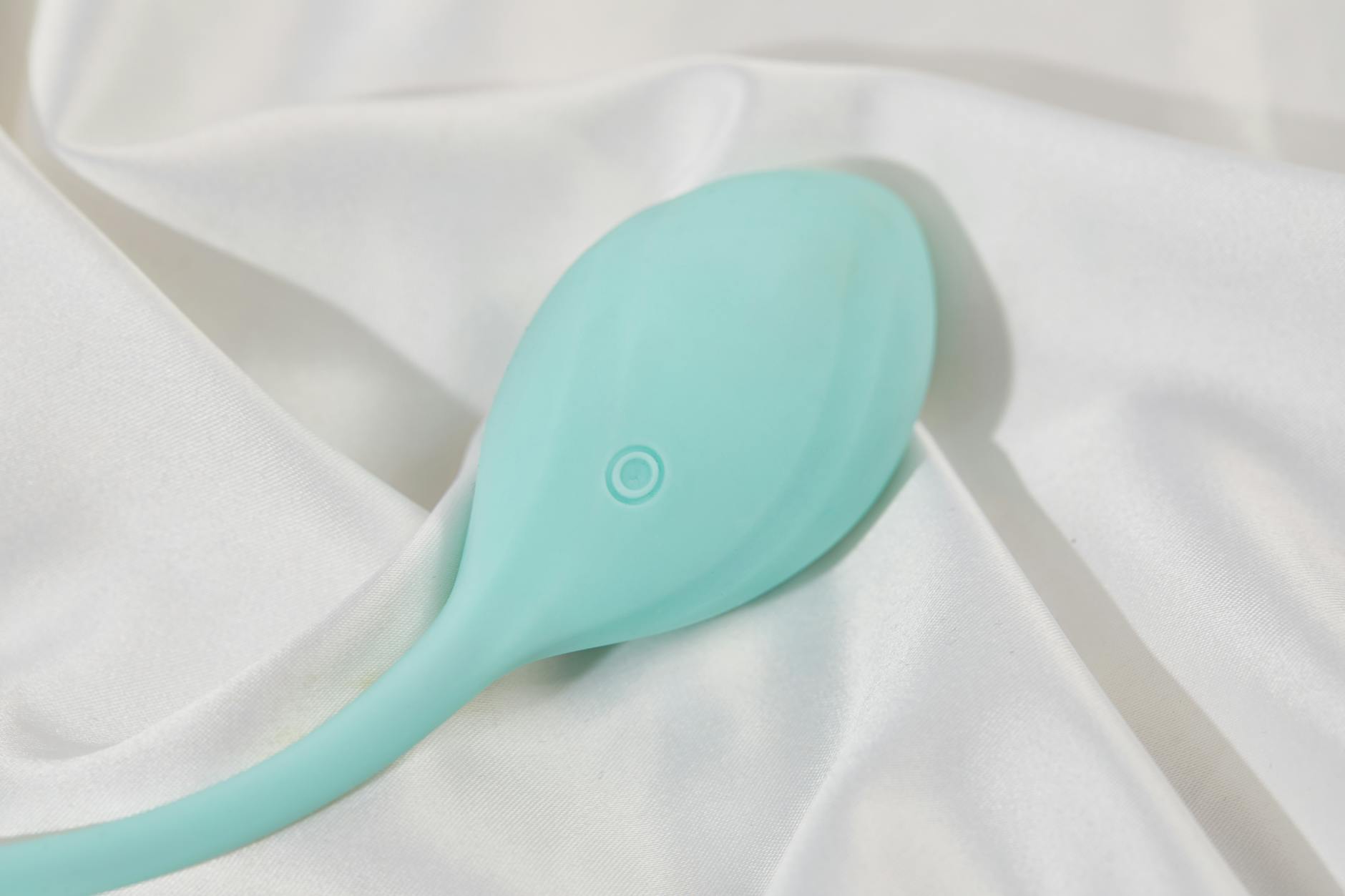
The truth is messier than the six-week clearance from your doctor. Every body recovers differently. Episiotomy or tear, vaginal or cesarean, whether you're breastfeeding, your hormones, your sleep deprivation, your actual desire—they all matter. A lemon clitoral vibrator designed for sensitive tissue can fit into that recovery, but only if you know how to use it safely. I'm going to walk you through that.
When sex—or anything like it—is actually safe
Your doctor gives you the green light at six weeks or so. That's the medical standard for intercourse risk. But here's the part they often don't clarify: clitoral stimulation is different from penetrative sex, and external pleasure can sometimes feel okay before full penetration is ready.
That said: active bleeding, severe pain, ongoing wound healing, or infection means you wait. Full stop. If you had a cesarean, you're healing a surgical incision. If you tore or had an episiotomy, you're healing tissue that was stretched and cut. The vaginal wall takes weeks to regain its strength. The pelvic floor muscles take months.
If you feel pressure, a dragging sensation, or sharp pain when you cough or stand up, your pelvic floor is still working hard. That's not the time for vibration—that's the time for rest.
Why a lemon vibrator is different from what you might be used to
Vaginal tissue after birth is more fragile. It's thinner, less elastic, and often numb in patches. Penetrative or high-intensity vibrators can feel overwhelming. A lemon vibrator works on your clitoris with air-suction technology instead of traditional vibration. This means no direct friction. No hammering sensation. No risk of aggravating healing tissue inside.
The suction pattern mimics oral sex in a gentler way. It doesn't require the kind of aggressive stimulation that might feel too intense on tissue that's still finding its way back to normal. For postpartum bodies, that's significant. You get sensation and release without the mechanical pressure that can leave you sore or set back your healing.
The actual timeline for introducing a lemon clitoral vibrator
Weeks 1-4: You're actively bleeding and healing. Don't use anything. Your pelvic floor is doing critical repair work, and you need to let it.
Weeks 5-6: You might feel ready. Your bleeding has stopped. You've stopped feeling like you're going to fall apart. If your doctor cleared you, you can consider external clitoral play. But I mean consider. Not commit. If you tore or had an episiotomy, wait until week 8 minimum. Ask your obstetrician specifically about external stimulation, not just intercourse.
Weeks 8-12: Most people are safe to introduce a lemon vibrator here. Start at the lowest setting. Your nervous system is still in recovery mode. Pain or pressure during play is a sign to stop, not push through.
Week 12 onward: Your pelvic floor is stronger. Tissue is more resilient. You can experiment with higher settings and longer sessions. But many postpartum people find they never go back to pre-baby intensity preferences, and that's normal.
The emotional stuff that nobody warns you about
Your body doesn't feel like yours. It's a feeding station, a sleep-deprived survival machine. The idea of wanting more from it—pleasure, sensation, release—can feel absurd or even unwelcome. That's real, and it's worth taking seriously.
Postpartum depression and anxiety hit pleasure hard. If you're struggling with mood, if everything feels numb or overwhelming, pleasure isn't the priority right now. Talk to your doctor or a therapist. That's the honest thing.
If you're just touched out and exhausted, that's different. That's normal, and a lemon vibrator's speed—just 10-15 minutes of focused time—can fit into recovery without adding burden. You're not performing. You're not servicing a partner. You're taking something back.
How to actually use a lemon vibrator during postpartum recovery
Start with the external clitoris only. Not internal, not the area around it. Just the clitoris itself, and only when you're already somewhat aroused. Don't use it as a shortcut to arousal when you're depleted. That's setting yourself up for frustration.
Begin at pattern 1 or 2 if your lemon vibrator has adjustable settings. Most postpartum bodies find that lower patterns feel warm and building rather than overwhelming. You should feel increasing pleasure, not discomfort.
Stop if you feel pressure, sharp pain, or a dragging sensation in your pelvis. That's your pelvic floor signaling that it's not ready. Rest a few more days and try again. There's no prize for pushing through.
Limit sessions to about 10-15 minutes. Your nervous system is sensitive. Longer stimulation can leave you sore or fatigued in a way that's different from pleasure-tired.
Use lubricant. Even if you don't think you need it. Postpartum tissue is often drier, especially if you're breastfeeding. A simple water-based lube makes the experience much better and reduces micro-friction that can cause soreness.
What to do if your partner wants to jump back in
This is where I see a lot of friction. Your partner has been waiting. They're ready. And you're standing there wondering if your body is even a body anymore, let alone one that wants sex.
That gap is real, and it's worth naming. A lemon clitoral vibrator can actually help here because it gives you control. You're directing the stimulation. You're setting the pace. You're not accommodating another person's body or arousal. That agency matters when you're rebuilding your relationship to pleasure.
If your partner is in the room, they can be there to support—maybe with cuddles before or after, maybe with patience while you explore what feels good. But this first phase of postpartum pleasure is yours. Not something you do for them. Something you reclaim for yourself.
Pelvic floor healing and its role in postpartum recovery
Here's something that gets glossed over: your pelvic floor muscles are stretched, tired, and sometimes damaged. They hold everything up. They control sensation. They coordinate orgasm. They're working overtime even when you're not thinking about them.
Severe pelvic floor dysfunction after birth can make pleasure harder, not easier. If you're leaking urine, feeling heaviness, or sensing that nothing quite works the way it did, pelvic floor physical therapy isn't optional. It's the foundation for getting pleasure back safely.
A lemon clitoral vibrator works well alongside pelvic floor recovery, not instead of it. If you're doing pelvic floor therapy, ask your therapist when it's okay to introduce gentle external stimulation. They know your specific situation.
When to check in with your doctor again
Pain during or after using a lemon vibrator is not normal. Bright red bleeding, heavy discharge, or infection signs mean you've pushed too far too fast. Stop and contact your doctor.
If you're feeling emotionally disconnected from pleasure—not just exhausted, but genuinely numb or resistant—that's worth discussing with a therapist or your obstetrician. Postpartum depression and anxiety show up in desire first, and they respond to treatment.
If you had significant tearing or a forceps delivery, ask your doctor specifically about using external vibrators. They might recommend waiting longer, or they might give you the all-clear with specific guidance for your situation.
Your recovery is not one-size-fits-all. Your body's timeline is right for your body.
The real payoff
Postpartum isn't the end of pleasure. It's a reset. Many people find that when they come back to sensation carefully, with the right tools and patience, they experience something deeper. Not better necessarily. Just different. More intentional. More theirs.
A lemon clitoral vibrator fits into that recovery because it doesn't demand anything from you. No performance, no compromise. Just sensation on your terms, at your pace. And right now, that might be the best thing your body can have.
Ready to explore your recovery more? Start with our buying guide to choose the right tool for your healing timeline.
People also ask
Can I use a lemon clitoral vibrator if I had a cesarean section?
Yes, but with the same caution as vaginal birth. You're healing a surgical incision, and your core is still reconnecting. External clitoral stimulation is generally safer than intercourse because it doesn't involve internal pressure. Wait until 6-8 weeks, start gently, and stop if you feel tension or pressure in your abdomen or pelvic floor. If you had significant tearing of abdominal layers, ask your surgeon specifically about external vibration before you try it.
Will using a lemon vibrator interrupt healing or cause bleeding?
If you're using it correctly—on your clitoris only, gently, with lubrication, and after initial bleeding has stopped—no. A lemon vibrator's suction technology doesn't create friction that would re-injure tissue. That said, if you notice bleeding during or after use, stop immediately. Bleeding usually means the tissue is still too fragile or you've been too aggressive. Rest a few days and try again more gently, or wait longer before attempting again.
How do I know if my pelvic floor is ready for pleasure?
You should be able to walk, cough, and stand without severe pressure or dragging sensations. You shouldn't be actively leaking urine. You should feel like your body is somewhat yours again, not just an emergency survival system. If you're still experiencing significant pelvic floor symptoms, talk to a pelvic floor physical therapist before introducing vibration. They can assess your specific readiness.
What if pleasure feels numb or wrong after birth?
That's incredibly common. It's part numbness from healing, part depletion, part disconnection from your body. Give it time. And be honest with yourself: if the numbness is paired with mood changes, persistent anxiety, or a feeling that nothing matters, that might be postpartum depression or anxiety. Talk to your doctor. Pleasure will return once you're treating the underlying issue.
Is it okay to use a lemon vibrator while breastfeeding?
Yes. External clitoral stimulation won't affect milk supply or quality. The hormones that breastfeeding triggers (oxytocin, prolactin) are separate from sexual response. That said, many breastfeeding people feel touched out and have lower desire. That's normal and usually shifts around 6-9 months postpartum or once you introduce solids. Don't force pleasure while you're depleted.
Can my partner use a lemon clitoral vibrator on me during postpartum recovery?
Yes, if you want them to and you trust them to go slow. The benefit is that you can close your eyes and receive without performing. You're not managing another person's pleasure. But if you'd rather do this alone first, that's equally valid. This is your recovery. Your pace. Your permission.
References and sources
- American College of Obstetricians and Gynecologists. (2024). Postpartum Care. ACOG.
- Bo, K., et al. (2017). Pelvic Floor Dysfunction and Its Relationship to Mental Health. International Urogynecology Journal, 28(8), 1159-1168.
- Buhling, K.J., et al. (2019). Sexual Dysfunction in Postpartum Women. Journal of Sexual Medicine, 16(5), 667-675.
- Chen, J., et al. (2021). Postpartum Tissue Healing and Sexual Function Recovery. Obstetrics & Gynecology Research, 47(2), 412-421.
- Greenberg, J.A., et al. (2020). Return to Sexual Activity After Childbirth. American Journal of Obstetrics and Gynecology, 223(4), 500-510.