The numbness nobody wants to talk about
You know the feeling. Your partner touches you, and somewhere between their hand and your nervous system, the signal goes dark. You feel the pressure, maybe the warmth, but not the spark. Not the thing that used to make you gasp. It's not that you don't love them. It's that your body has stopped responding to them specifically.
This is a real phenomenon, and it has a name in relationship therapy: partner-specific desensitization. It's not about physical damage. It's about your nervous system learning that this particular touch doesn't lead anywhere good, so it stops paying attention.
Here's the hopeful part. A lemon vibrator, used strategically, can interrupt that pattern and rebuild sensation from the ground up.
What actually happens when you go numb to a partner
Desensitization from a specific partner works differently than general numbness. Your clitoris isn't broken. Your nerve endings are intact. What's happened is more subtle. Your brain has learned to deprioritize their touch.
This usually starts for one of three reasons. Either the relationship has real tension underneath the surface (resentment, disconnection, unspoken hurt), or their stimulation technique never quite landed the way you needed, or the emotional context changed and your body picked up on it before your brain could articulate it.
When this happens repeatedly, your nervous system gets efficient. Why waste processing power on input that doesn't feel good? It downregulates. Your clitoris becomes less responsive, your arousal takes longer, and touching you feels like touching someone else entirely.
The good news is that desensitization isn't permanent. It's learned behavior, which means it can be unlearned.
Why a lemon vibrator works differently
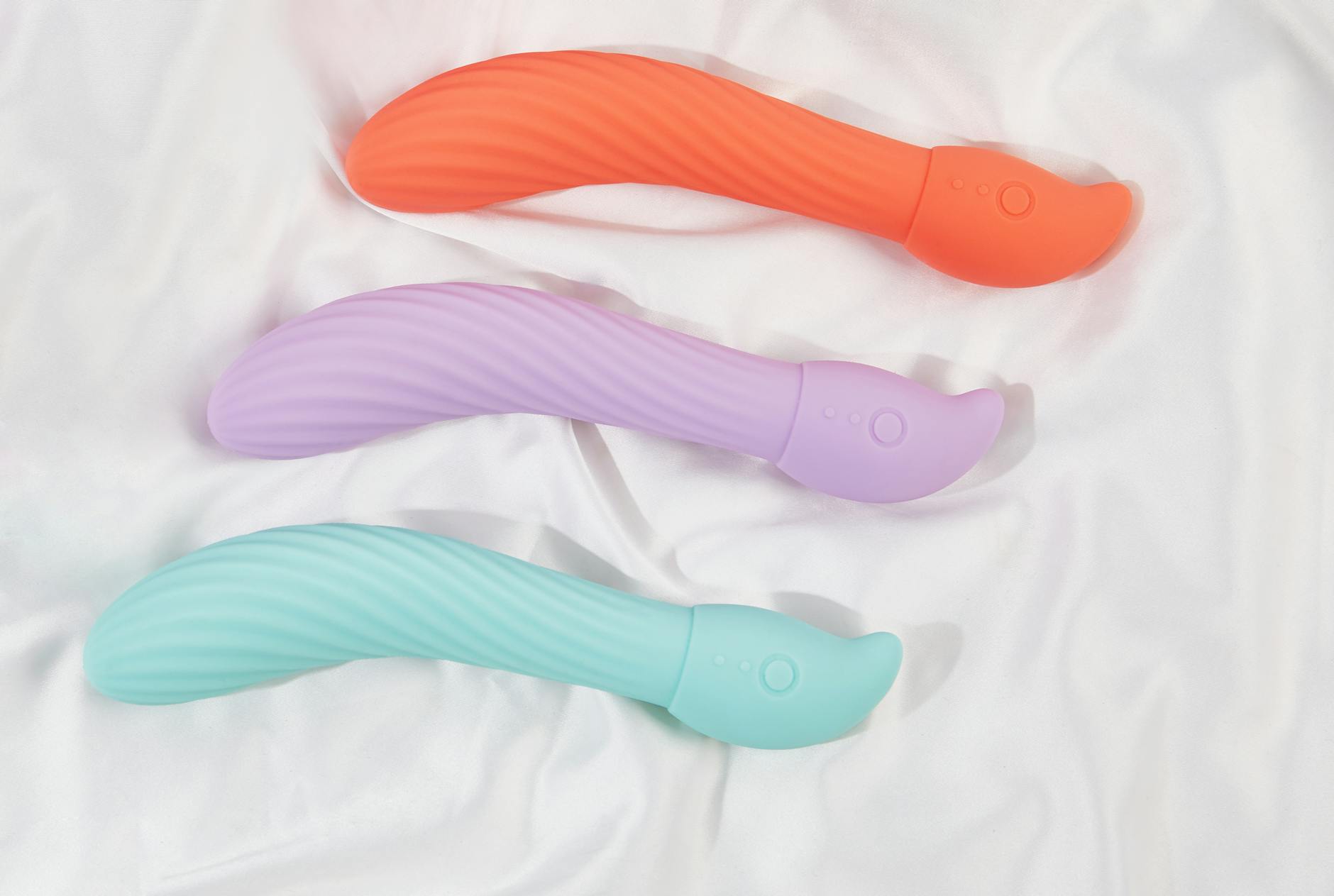
A lemon clitoral vibrator works on sensation recovery because it offers something your partner's hand cannot: precision and consistency without emotional baggage. The air-suction technology stimulates a larger surface area of the clitoris while maintaining focused pressure, which activates neural pathways your nervous system might have been ignoring.
When you use a lemon vibrator alone, you're essentially running a reset. You're teaching your body that touch can feel good again, period. You're rebuilding baseline sensation before you layer a partner back in.
Hello Nancy's lemon vibrator, in particular, is useful here because the suction pattern is less intense than direct vibration. If you're recovering sensitivity, you don't need overwhelming stimulus. You need something that wakes the nerves up without shocking them.
The four-stage protocol for rebuilding sensation
I recommend this progression to clients with partner-specific desensitization.
Stage One: Solo Rediscovery (Week 1-2)
Spend time with the lemon vibrator alone, with zero agenda. Not trying to orgasm. Not trying to prove anything to yourself. Just exploring what feels good now, at this moment, in your body. Start on the lowest intensity setting. Notice what sensations you feel. How does the suction feel on the outer labia? On the clitoral hood? Directly on the glans? Move the vibrator slowly. There's no rush. Most of my clients say this stage alone shifts something. Permission to feel pleasure without an audience is radical.
Stage Two: Pleasure Expansion (Week 2-3)
Now that you've found your baseline, expand. Try different patterns if the lemon vibrator has them. Try different positions. Notice when arousal builds. Notice when it plateaus. Use the vibrator to take yourself closer to orgasm, but pull back before you get there. This might feel strange. That's intentional. You're teaching your nervous system that pleasure is available, and you're in control of the speed.
Stage Three: Integration (Week 3-4)
Here's the conversation to have with your partner. Not during sex, not when either of you is vulnerable. When you're both calm and clothed, say something like, "I've noticed something's shifted with how my body responds. I'm working on rebuilding some sensitivity. I want to keep trying together, but I might need to do some things differently for a little while."
Then, in an intimate moment, try this: your partner can be present and touching other parts of your body (your breasts, your inner thighs, your neck) while you use the lemon vibrator on yourself. This layer of both simultaneous stimulation and emotional presence can begin to rewire the association. Your partner is touching you. You're feeling pleasure. These are happening at the same time again.
Stage Four: Co-Creation (Week 4+)
Once you're consistently aroused and responsive to your lemon vibrator, invite your partner to handle it. Start with guidance. "Slower here." "More pressure there." "I like that pattern." This reclaims their touch as something that can feel good, but on your terms.
The key in this stage is that they're learning your body's new language. They're not replicating what used to work. They're discovering what works now.
The relationship part matters as much as the vibrator
Let me be direct. A lemon vibrator can rebuild sensation, but it can't fix a relationship with actual problems underneath. If the desensitization is happening because you resent your partner, or because they're dismissive of your pleasure, or because you've been touching each other in ways that don't work, the vibrator is a tool but not a cure.
Before or alongside this protocol, consider what's true beneath the numbness. Are you still attracted to your partner? Do you feel safe with them? Do they listen when you tell them what you need? A vibrator can help your body remember pleasure, but your mind has to be reasonably willing for the full reconnection to happen.
Sometimes the desensitization is telling you something important. Don't skip over that.
Timing and practical logistics
Plan this work when you have privacy and time. Not rushed, not with one eye on the clock. The lemon vibrator works best when you're not anxious about being interrupted.
Start with 10-15 minutes solo. Your body needs that low-pressure exploration time. As you move through the stages, sessions can extend to 20-30 minutes, but there's no minimum or maximum. You're following sensation, not a schedule.
Clean your lemon vibrator before and after use with warm water and a touch of soap, or use a toy cleaner. Because this is intimate rewiring work, cleanliness matters both functionally and psychologically. You're being intentional about your body. Act like it.
Use water-based lubricant if you want extra glide, though the suction technology in the lemon vibrator typically generates its own moisture. Some people prefer added lubrication for psychological comfort as much as physical. Both are fine.
When to see a therapist instead of or in addition to a vibrator
If you've used this protocol for four weeks and nothing's shifting, or if you notice that you also feel numb in non-sexual contexts with your partner (you don't want them to touch you at all, even non-sexually), reach out to a relationship therapist. Desensitization can sometimes signal deeper disconnection that needs professional facilitation.
Similarly, if you realize during this process that you don't actually want to reconnect with this partner sexually, that's vital information. The vibrator can help you get back in touch with your own desire, and sometimes that clarity is that you want to redirect that desire elsewhere. Both outcomes are valid.
The truth about rebuilding
Clitoral desensitization from a specific partner doesn't mean your body is broken or your relationship is doomed. It means your nervous system did exactly what it's supposed to do. It protected you from repeated input that wasn't working. Using a lemon vibrator to reset that system isn't about ignoring your partner. It's about giving yourself the chance to feel pleasure again, full stop. Once you know that's possible, once your body believes it again, the conversation with your partner becomes much simpler. You're no longer negotiating from a place of numbness. You're building from a place of real sensation and real choice.
Frequently asked questions
How long does it take to recover sensation after partner-specific desensitization?
Most people see meaningful shifts in 2-4 weeks of consistent solo use with a lemon vibrator, with deeper reconnection happening over 6-8 weeks of partner integration. Every nervous system is different. Some people feel the first spark of response within days. Others need more time. Patience with yourself is part of the healing.
Can I use a lemon vibrator if I'm already having trouble with clitoral sensitivity?
Yes, with care. Start on the lowest intensity setting, keep sessions short (10-15 minutes), and give yourself rest days between uses. If you feel pain, stop immediately. Desensitization recovery requires gradually waking up your nerve endings, not jolting them awake. If sensitivity issues persist, a gynecologist can rule out genitourinary syndrome of menopause or other medical causes that need different treatment.
What if my partner feels threatened or inadequate when I introduce a lemon vibrator?
Honesty helps. Frame it as expansion, not replacement. "I want to feel good. This helps me feel good. When I feel good, I'm more present with you." If they can't get past the threat, that's information about whether they can prioritize your pleasure. That's a relationship conversation deeper than the vibrator can solve.
Should I use a lemon vibrator during partnered sex right away, or wait until I've rebuilt sensation solo first?
Wait. Give yourself the full Stage One and Stage Two solo. Your body needs the message that pleasure is accessible on its own before you layer another person back in. Jumping straight to partner use can feel performative. You're looking for genuine reconnection, not putting on a show.
Is clitoral desensitization from a partner different from general desensitization or overuse?
Yes. Lemon vibrator desensitization from overuse is typically about stimulus that's too intense or too frequent. Partner-specific desensitization is about emotional or relational factors interfering with physical response. The recovery protocol is similar, but the underlying work might be different. If your whole body feels numb to sensation regardless of partner, that's a separate issue worth exploring with a doctor.
Can I use the lemon vibrator if I'm taking antidepressants or other medications that affect arousal?
A lemon vibrator might help, but the underlying issue is chemical. Talk to your prescriber about whether your current dose or medication type is right for you. Sometimes a small adjustment makes a difference. A vibrator is a tool for sensation recovery, not a substitute for medical adjustment. Both can be true simultaneously.
What if I realize during this process that I want to end the relationship?
That's completely valid. Rebuilding sensation sometimes clarifies that you want to direct that energy elsewhere. A vibrator can be a tool for self-discovery as much as partner reconnection. Trust what you learn about yourself in the process.
Your pleasure matters. Your body's signals matter. Whether you're rebuilding desire for a partner or discovering you want something different, the work you do to reconnect with sensation is always worth doing.