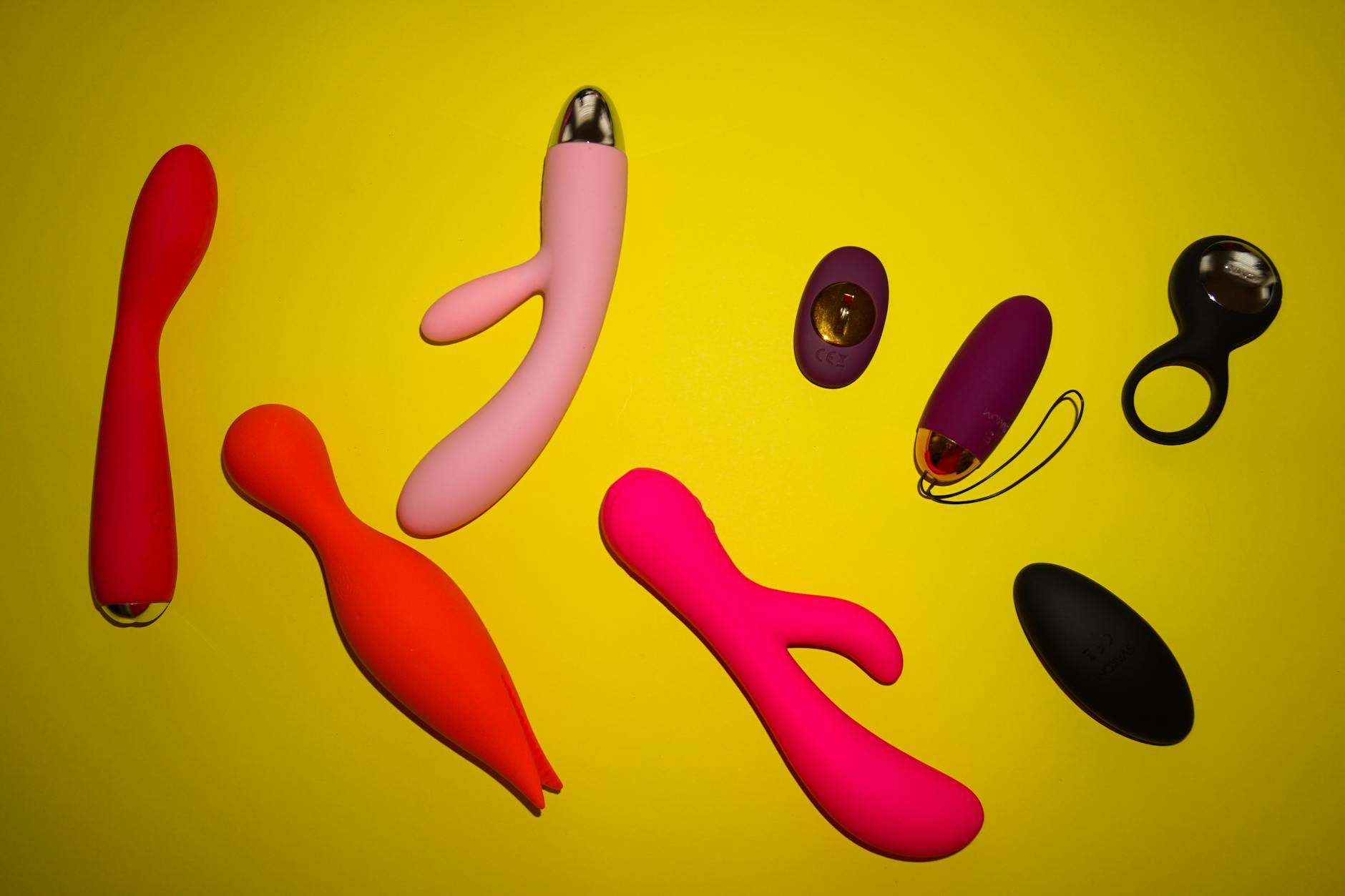
How to Use a Lemon Vibrator When Libido Returns After Years of Low Desire
Let's be real. You spent years without it. Maybe hormones tanked it. Maybe stress, medication, grief, or a relationship mismatch convinced you this part of yourself was just gone. And then one day something shifted. A spark. A moment where you felt that old pull again, that specific kind of want you'd almost forgotten.
Now you're standing at a weird crossroads: your body's asking for something your mind is unsure how to give it. You're curious but rusty. Maybe a little scared. That's completely normal, and it's also exactly why the right approach matters.
When desire returns after a long absence, rushing back to where you left off is a recipe for frustration. Your body has changed. Your nervous system has adapted to a lower baseline of stimulation. Your confidence has taken a hit. A lemon clitoral vibrator is genuinely useful here, but only if you understand why and how to use it without recreating the pressure that killed your libido in the first place.
Why reconnecting after a long dry spell requires a different strategy
Your nervous system doesn't just forget about low desire. It learns from it. If you spent years with little to no sexual interest, your body built new neural pathways around that baseline. Your pelvic floor got used to being quiet. Your clitoris stopped getting regular stimulation. Arousal pathways got rusty.
This isn't damage. It's adaptation. And the good news is that it's completely reversible. But the reversal works best if you treat this like a reintroduction, not a resumption.
Many people make the mistake of jumping straight back to what worked before the low-desire years started. They reach for their old devices, turn everything up to full intensity, and then feel disappointed or even uncomfortable when their body doesn't respond the way memory says it should. The issue isn't that they've lost capacity for pleasure. It's that they're asking their nervous system to sprint before it's ready to walk.
A lemon vibrator helps here because the suction mechanism is gentler than traditional vibration on tissue that's been understimulated. You can build arousal gradually without that "too much, too fast" sensation that kills momentum.
Start with the lowest setting and stay there longer than feels necessary
When you first use your lemon vibrator after this gap, resist the urge to crank it up. Hello Nancy's Lem vibrator has multiple intensity patterns, and most of them will feel overwhelming right now. That's fine. Start on pattern 1. Spend an entire session just getting familiar with that sensation.
I know it sounds boring. You're not looking for boring. But your clitoris is currently like a muscle that hasn't been exercised in years. Light stimulus matters. It wakes up nerve endings. It teaches your brain that pleasure is safe and possible. It rebuilds that neural pathway between physical sensation and mental arousal.
Spend at least three or four sessions on the lowest setting before moving to the next one. This isn't a punishment. It's the fastest way to get back to the intense orgasms you're probably craving.
Lubrication matters more now, not less
Here's something counterintuitive: years of low desire often means years of not enough lubrication production. Even though you're interested now, your body might take a minute to catch up. That's not a failure. It's just a lag.
Use water-based lubricant every single time. Even if you feel self-conscious about it. Even if you feel like you "should" be producing enough on your own. You probably will, given a few more weeks of regular stimulation, but right now your vaginal tissue is readjusting. Lubricant removes friction that could otherwise make this feel uncomfortable or send your nervous system a "this is bad" signal that kills arousal instantly.
This is especially true if low desire was connected to pain, numbness, or dryness. Lube is a tool. Use it without guilt.
Create space for this without pressure or an audience
One of the biggest culprits in killing desire is performance pressure. You might be worried about being "good enough" again, or about taking too long, or about your partner's reaction. All of that pressure will short-circuit arousal faster than anything.
When you're first reconnecting with your lemon vibrator, do it alone. Give yourself permission to not have an orgasm. Give yourself permission to spend 20 minutes with zero progress and then stop. This isn't wasted time. This is you telling your nervous system that pleasure is safe and low-stakes.
Once you've gotten comfortable using it solo, and once you can reliably build arousal and reach orgasm by yourself, then you can think about introducing a partner if that's relevant to your situation. But the reintroduction phase is not the time to perform. It's the time to practice.
Pay attention to what your body is asking for
After years of low desire, you might not actually know what turns you on anymore. That information didn't disappear. It just got quiet. As you start using your lemon vibrator more regularly, notice what changes the experience.
Do you need visual stimulation? Mental space? Physical comfort? A particular time of day? Some people rediscover desire in the morning when cortisol is lower. Some need the specific mental space of knowing they have an hour with no interruptions. Some need to have had a really good day. Some need to feel emotionally close to a partner first.
This isn't background noise. This is data. Write it down if you have to. Treat yourself like someone whose pleasure matters enough to understand properly. Because it does.
When to expect progress and when to see a doctor
Realistically, you should notice a shift within two to three weeks of regular use. Not a dramatic shift. A softening of arousal time. A slightly quicker path to sensation. An internal sense that your body remembers this.
After a month of consistent use, most people feel noticeably different. Their clitoris is more responsive. Orgasm is building. Desire is less of a surprise and more of a familiar visitor.
If after six weeks of regular use with a lemon vibrator you're still feeling completely numb, completely unable to build arousal, or experiencing pain, talk to a doctor. This might mean you need to look at whether medication changes are relevant, whether there's an underlying hormonal shift to address, or whether something else physical is going on.
But here's the thing: in most cases, when people give themselves permission to explore without pressure, when they use the right tool for reconnection, and when they're patient with the process, desire comes back. Not always exactly as it was. Sometimes better, because you understand yourself differently now.
If your partner is in the picture, have the conversation early
If you have a partner and they don't yet know that your libido is waking up, tell them before you jump into using a lemon vibrator together. Not because you need permission. Because you need them to understand what's happening and why.
The conversation is simple: "I'm feeling interested in sex again. I'm using a device to help me reconnect with my body because it's been a while. I want to move slowly and build from there. Here's what I need from you." Then list it. Space. Patience. No pressure. Maybe physical presence while you figure this out. Maybe absence so you can explore solo first.
If you jump straight to introducing a vibrator in your sex life together without this context, your partner might feel like you're trying to replace them, or like something went wrong, or like this is criticism of them. A five-minute conversation prevents months of misunderstanding.
For more on this dynamic, how to use a lemon vibrator with your partner without the awkward conversation first covers some specific language that helps.
The mental game is half the battle
Years of low desire do a number on your relationship with pleasure. You might feel shame about not wanting sex. You might feel anxiety about whether it'll ever feel normal again. You might feel disconnected from your body in a way that lingers even after hormones or circumstances shift.
Using a lemon vibrator is a physical action. But the mental part matters equally. As you're reconnecting, challenge the narratives that killed desire in the first place. If stress tanked your libido, what's actually changed that makes it safe to want now? If medication messed with your capacity for orgasm, have you had that medication adjusted? If a relationship dynamic made sex feel obligatory, what's different in how you're approaching it now?
Don't skip this part. Pleasure is partly physical. It's also partly psychological. The lemon vibrator handles the physical piece. You handle the mental permission piece. Both are necessary.
Why the Lem specifically helps with reconnection
A lemon clitoral vibrator uses air-suction stimulation rather than direct vibration. That matters when you're reconnecting after a long gap. Direct vibration can feel sharp or overstimulating on tissue that hasn't been regularly aroused. Suction creates a sensation that's more like a gentle pressure and release. It wakes up nerve endings without overwhelming them.
The Lem's multiple intensity patterns mean you can stay on the gentlest setting as long as you need without feeling like you're missing out. You can micro-adjust as your sensitivity changes. And because it's designed for clitoral pleasure specifically, you don't have to wonder if you're using it right. You are.
FAQ: Questions people ask when reconnecting after years
Is it normal for reconnection to take this long?
Completely. Years of low desire rewire your nervous system. Reconnection isn't instant. It's usually a matter of weeks, not days. Some people take a month. Some take two. That's not a sign something's wrong. That's just how relearning works.
Can I use a lemon vibrator if I'm also on medication that affects libido?
Yes, absolutely. But also talk to your doctor about whether a medication adjustment might help. A vibrator is a tool for reconnection. It's not a workaround for medication side effects. It can coexist with medication changes, and sometimes it makes the change more obvious because your baseline pleasure capacity improves.
What if I'm reconnecting solo but I have a partner?
That's ideal, actually. Solo exploration lets you rebuild your relationship with pleasure without performance pressure. Your partner doesn't need to be involved in every step. Once you're comfortable and confident solo, then you can think about how to integrate that into partnered sex if you want to.
Should I tell my partner I'm using a vibrator?
It depends on your relationship. If you're comfortable with them and trust them, yes. It removes mystery and prevents them from accidentally finding it and making assumptions. If you're not there yet, or if the relationship is fragile, then no. Your solo exploration is your private business. But eventually, communication about this stuff strengthens most relationships.
How long until my orgasms feel "normal" again?
That varies wildly. Some people rebuild their capacity for orgasm within a few weeks. Some take a few months. And some find that orgasms feel different than they used to, which isn't bad. It's just different. Your body has changed. Its pleasure response has changed. Sometimes that change is an upgrade.
Is there anything that would mean I need help from a professional?
If after six weeks of regular use you're still experiencing complete numbness, pain, or zero progress, definitely check in with a pelvic health specialist or your doctor. That could mean medication adjustments, pelvic floor retraining, or addressing something else entirely. But most of the time, patience and the right tool get you there.
The bottom line: Reconnection is real and it's worth it
Your libido came back. That's the hard part. You already did that. Now it's just about gently reintroducing your body to sensation, your nervous system to safety, and your mind to the idea that pleasure is something you get to have again.
A lemon clitoral vibrator is a genuinely useful tool for this specific moment because it offers gentle, controllable stimulation. But the real tool is patience with yourself. Your body didn't break. It just went quiet for a while. And quiet things can always wake up again.
If you're feeling stuck in this reconnection phase, or if you want more guidance on rebuilding intimacy, reach out to Hello Nancy. There's no shame in getting support for this.
You deserve pleasure. Welcome back to it.