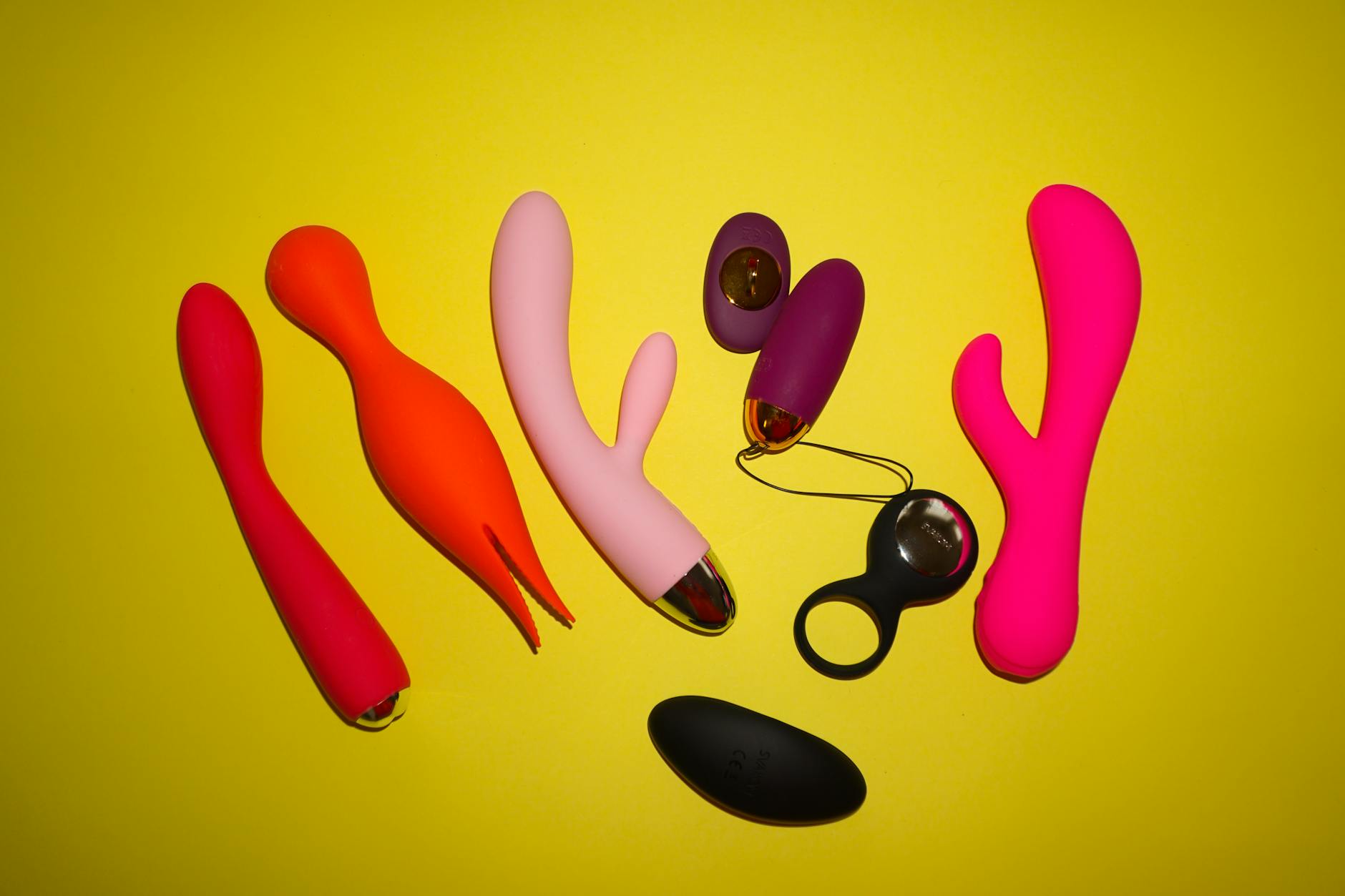
Let's name what's actually happening
You're healing at different speeds. One of you is starting to want physical intimacy again. The other is still in a place where touch feels complicated, or overwhelming, or just too soon. This isn't a sign that the relationship is broken. It's one of the most common things couples face after trauma, grief, or a major rupture, and almost no one talks about it.
The gap between your timelines creates a specific kind of loneliness. You can't just wait indefinitely for synchronized desire because resentment builds. But pushing won't work either. A lemon vibrator dissolves this deadlock because it creates a third option: solo pleasure with presence. Your partner can be close, connected, and fully themselves without being pressured into something their body isn't ready for yet.
Why mismatched recovery timelines wreck couples
After something big—infidelity, a major loss, illness, a betrayal of trust—the neurological systems that govern desire shut down differently in each person. Trauma doesn't follow a schedule. One partner's nervous system might start to settle after a few months. The other's is still in high alert mode. Neither of you is wrong. But without a strategy, you end up resenting each other.
The partner who's ready to reconnect feels rejected. They interpret the delay as "you don't want me," even though the real message is "my body isn't safe yet." The partner who needs more time feels pressured. They sense the waiting and the longing and they weaponize it, going further into isolation. Then sex becomes a litmus test for the whole relationship instead of just one piece of it.
Here's what I see work: giving yourself permission to have pleasure separately, in the same room. A lemon clitoral vibrator makes this not just possible but genuinely intimate.
What a lemon vibrator actually solves here
Three things, specifically.
First, it removes the pressure of performance. If you're the partner who's ready, using a lemon vibrator means you get to experience pleasure without needing your partner's arousal to match yours. You're not waiting for them to be in the mood. You're not subtly broadcasting that you're wanting them. You're just taking care of yourself.
Second, it lets the slower-healing partner stay present without activating their trauma response. They can be in the room, can witness your pleasure, can touch you elsewhere on your body, can just be close, without the pressure of genital contact that might trigger old fears or memories. The Lem's suction sensation is also gentler on tissue than friction-based toys, so if they ever do want to touch you while you're using it, the sensation profile is totally different from what might have hurt them before.
Third, it gives you both data about readiness. If your partner can watch you use a lemon vibrator without dissociating or leaving the room, that's real progress. If they start asking questions about it, that's a green light. If they're still in "I need to leave the room," you know that's where their nervous system actually is, and you stop guessing.
How to actually set this up
Start with a conversation that isn't in the bedroom. Tell your partner you want to reconnect with your own pleasure, and you'd like them to know what that looks like. Make it clear this isn't a performance for them. It's not a test. It's not "here's what you're missing." It's just "I want to take care of myself, and I want you to feel safe knowing what that is."
Pick a time when you're both rested. Not late at night when emotional defenses are down. Not when they're already stressed about work or family stuff. Set it up as you would a check-in conversation, because that's what it is.
Start small. You don't need an hour. Five to ten minutes of using your lemon vibrator while they're in the room, maybe touching your arm or your hair or your back if they want to, is a complete success. The goal isn't your orgasm. The goal is being sexual in front of each other without demand.
If they need to leave, that's okay. That information is useful. It tells you their nervous system isn't ready for that particular stimulus yet. Try again in a few weeks.
If they stay, even at a distance, notice what that feels like. Does your pleasure feel different when they're there? Does theirs feel different watching? Some couples find that this solo-pleasure-with-presence opens something up that full partnered sex didn't. The lack of pressure to perform actually makes everything hotter.
The timeline conversation you actually need to have
Mismatched recovery isn't really about the lemon vibrator. It's about not having the same expectations for when you'll both be "normal" again. Before you use any toy together, you both need to stop pretending you're on the same timeline.
Ask your partner: "What would it actually feel like for your body to be ready?" Not "when will you be ready," but "what has to happen first." Maybe they need more conversations with a therapist. Maybe they need you to show up differently in non-sexual moments first. Maybe they need to feel genuinely unsafe before they'll believe you've changed.
Tell them yours too. "I need to feel wanted again. I need to know we're still a team. I need touch, and if we don't reconnect soon, I'm going to start checking out emotionally." Don't make this about blame. Make it about honest need.
Then decide: what are the milestones that matter? Maybe it's "in three months we check in on this again." Maybe it's "when you can be in the room while I use a clitoral vibrator without dissociating, we move to the next phase." Build a map that both of you can see, so you're not just waiting in the dark.
Why the Lem works better than other toys for this specific situation
The lemon clitoral vibrator's suction sensation creates an experience that feels very different from traditional vibration. If your partner's trauma is tied to friction-based sex or certain pressure patterns, this entirely different sensation can actually help rewire the nervous system. It's not triggering the same neural pathways.
Also, the Lem is quiet. It doesn't feel clinical. It fits in your hand like something intimate, not medical. When your partner watches you use it, it reads as "self-care" not "sex toy," which can help their brain relax. There's less of the voyeurism feeling and more of the "you're taking care of yourself and I get to be here" feeling.
What not to do
Don't surprise them with it. Don't frame it as a way to "turn them on" or "remind them what they're missing." Don't compare it to what you used to have together. Don't make your pleasure their job to want. Don't punish them for being slower to heal.
Don't use it as a threat or a way to prove they're broken. Some partners, when they're in high shame, interpret their partner's self-pleasure as accusation. It's not. But you have to be clear about that.
Don't stop having the hard conversations just because you're having more sex. Mismatched timelines usually mean there's unprocessed stuff underneath. A lemon vibrator is a bridge, not a solution to the actual rupture.
When to bring in professional help
If one of you is dissociating every time you try this, see a trauma-informed therapist together. If resentment is building faster than the slower-healing partner can process it, that's also a signal to get support. If you're using the toy to avoid talking about something much bigger, that's worth examining with a professional.
A good couples therapist can actually help you frame this phase as a real passage in recovery, not a failure of the relationship. You're not broken for being on different timelines. You're human.
FAQ
Can we use a lemon clitoral vibrator together if I'm still processing trauma?
Absolutely. You don't have to participate actively. You can just be present. The goal is being sexual in the same room without demand or pressure. Over time, your nervous system might relax enough to touch your partner while they use it, or to ask questions about what feels good. Some trauma survivors actually find that witnessing their partner's pleasure—without having to perform themselves—helps them rewire their own relationship to sexuality.
What if watching my partner use the Lem makes me feel more left out?
That's real, and it's worth naming. If you're the faster-healing partner, seeing your partner experience pleasure might activate old fears or rejection triggers. That's separate from their actual readiness. Some couples find that scheduling this—"we do this on Thursday nights"—helps because there's no ambiguity about whether it's rejection or just part of your healing plan. You can also ask to be more involved: touching them, asking them what feels good, making it less passive. The point is adjusting until it works for both of you.
How long should we wait before moving back to partnered sex?
There's no timeline. Some couples move back into full partnered sex after a few months of solo-pleasure-with-presence. Others take a year. Some find that solo pleasure becomes a permanent part of their intimate life and that's exactly what they need. The marker isn't time—it's readiness. If the slower-healing partner is voluntarily asking for more contact, that's different from reluctantly agreeing because they think they should.
My partner says using a vibrator is cheating.
This usually means they're scared about something else—that you'll leave them, that they're not enough, that this is evidence the relationship is over. Have that conversation. A lemon vibrator isn't about replacing them. It's about both of you getting needs met while you're rebuilding trust. If they're still uncomfortable after a real talk, you might benefit from a couples therapist to untangle that belief.
Can we use the lemon vibrator together even if we're not recovering from anything specific?
Yes. Mismatched timelines aren't just a trauma thing. They happen after new parenthood, after major illness, after medication changes, after grief. Anytime one person's desire is higher than the other's, a lemon clitoral vibrator creates a solution that serves both of you. You get to feel good. They get to be present without pressure. That's valuable at any stage of a relationship.
What if my partner wants to use the lemon vibrator on me but I'm not ready?
That's totally valid. You can ask them to use it on themselves first so you can watch and get comfortable with it. You can set a boundary: "I can be in the room, but I'm not ready for touch yet." You can also ask them to use a different toy on you if the Lem feels too vulnerable right now. There's no one right way to do this. The point is communicating what you actually need instead of what you think you should need.
Recovery isn't linear. Using a lemon vibrator together doesn't fix what broke between you. But it does let you stay connected while you're both healing. That matters more than you might think.