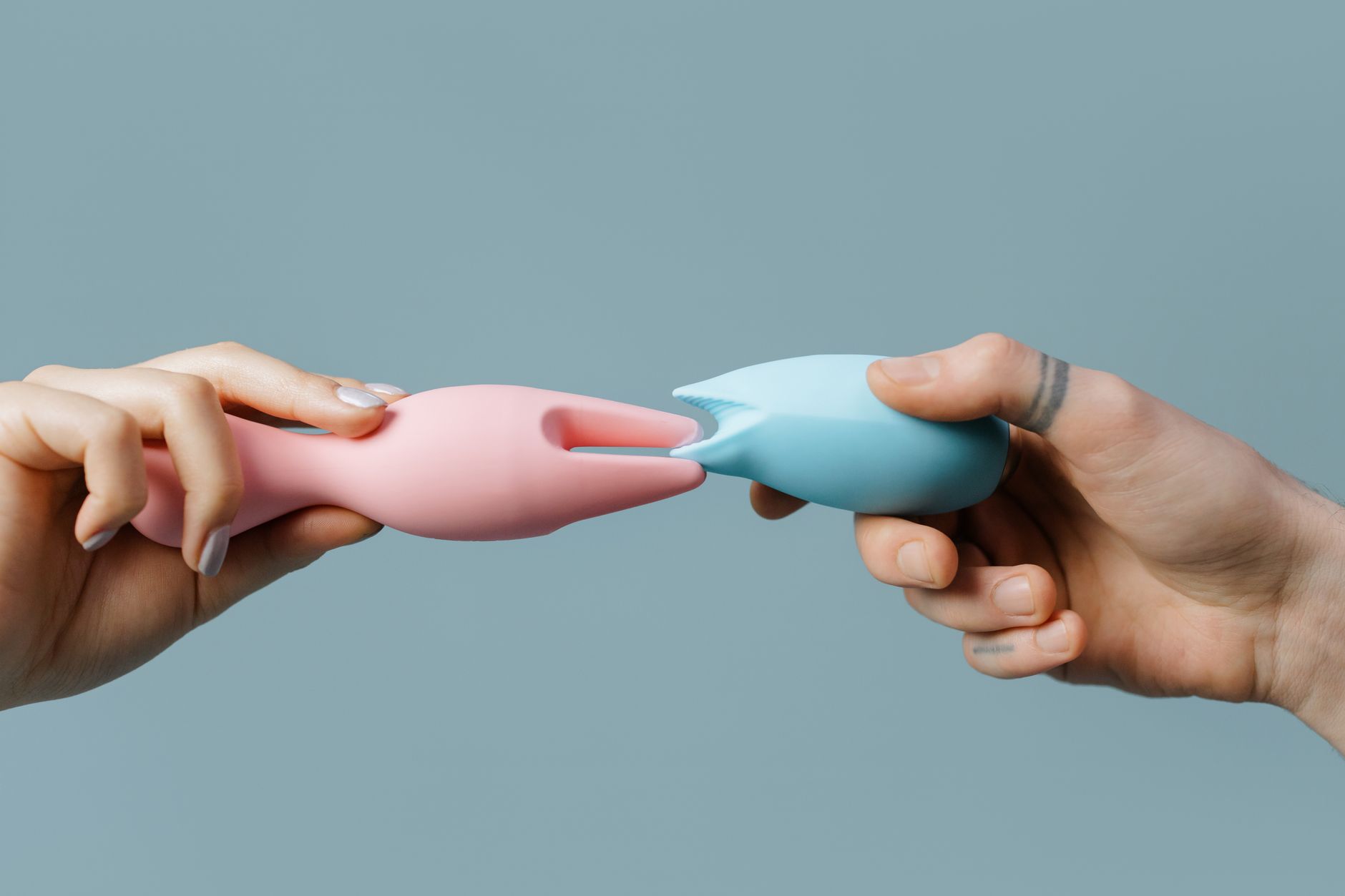
When depression steals sensation, a lemon vibrator can help you find your way back
Depression doesn't just affect your mood. It affects how you feel. Literally. The numbness that comes with depression isn't just emotional. It's physical. Your skin feels less. Touch registers quieter. Pleasure becomes something that happens to other people in other rooms.
A lot of people assume this means their sexuality is gone. It isn't. It's muted. There's a difference.
When you're coming out of depression, or learning to live with it, reconnecting with your body is part of the recovery process. And a lemon clitoral vibrator can be a surprisingly powerful tool for that reconnection, not because it forces pleasure, but because it meets your body where it is and helps you rebuild sensation gradually, without pressure.
Why depression disconnects you from pleasure in the first place
Depression affects dopamine and serotonin, the neurotransmitters that drive motivation, reward, and sensation. When those levels drop, your nervous system downregulates. Your body literally processes touch more quietly. Some people describe it as feeling padded, or like there's static between them and the world.
This isn't your imagination. It's a symptom, the same way fatigue or insomnia is a symptom. And like those other symptoms, it usually improves as you get proper support, whether that's therapy, medication, both, or other interventions that work for your life.
But improvement isn't always linear. Some days sensation comes back stronger. Other days you're back in the fog. Knowing this matters because it means you're not failing. Your body isn't broken. Your brain is healing in a non-linear way, and that's normal.
How a lemon clitoral vibrator fits into reconnection
Here's the thing about lemon sexual toys like the Lem vibrator: they deliver consistent, predictable stimulation. That matters when you're numb. Your body doesn't have to guess. It doesn't have to reach. The vibration is there, steady, without variance or unpredictability.
When depression has made you feel unsafe in your own nervous system, that predictability is grounding. You know what's coming. You can focus on sensation without the cognitive load of managing someone else's touch or navigating partner dynamics.
The clitoral vibrator also bypasses the need for arousal to build naturally. Natural arousal builds through desire, and desire often takes a hit during depression. A vibrator doesn't care about desire. It just works, which means you can access sensation without waiting for motivation that may or may not show up.
That's not settling. That's being realistic about what your nervous system needs right now.
The real way to start: sensate focus, vibrator style
If you're coming back from depression, skip the goal of having an orgasm. Seriously. Orgasm is the end point, not the beginning, and if you're struggling with numbness, chasing it will just activate performance anxiety, which tanks pleasure further.
Instead, use your lemon vibrator for what therapists call sensate focus. The idea is simple: turn it on at the lowest setting and pay attention to what you actually feel, not what you think you should feel.
Start somewhere low-stakes. Your inner thigh. Your forearm. Your collarbone. Anywhere except the clitoris for now. Spend 5 to 10 minutes just noticing. Does it feel tingly? Numb? Warming? Distant? All of these are fine. There's no right answer.
The goal is data gathering, not sensation creation. You're learning what your body is currently capable of reporting back to your brain. That information is valuable because it tells you where the disconnect is and how much sensation you're actually working with.
Move to the clitoris once you've spent time on other areas. Same thing. Lowest setting. Notice. Don't push for anything to happen. The Lem vibrator, like other lemon sexual toys, has multiple intensities specifically so you can work within your current window of sensation, not reach for a window that isn't available yet.
Building the habit slowly, without pressure
When depression has disconnected you from your body, the reconnection has to be gradual. You're not trying to force sensation back. You're giving your nervous system a safe, consistent way to remember how to register pleasure.
This looks like using your lemon clitoral vibrator once a week, then twice, then whenever it feels right. Not every day. Not as a rule. As an invitation that you extend to yourself when you have the bandwidth.
If some days you turn it on and feel almost nothing, that's not failure. That's information. Some days your nervous system is still in a protective place, and that's okay. The point is that the tool is there when your body is ready to receive.
As weeks go on, you may notice that sensation starts registering faster. That numbness feels less complete. That pleasure, when it arrives, feels less foreign. This is your nervous system gradually remembering that sensation is safe again.
When physical sensation starts returning, what happens next
Some people find that as they reconnect with sensation solo, they want to bring that reconnection into partnered intimacy. That's a conversation worth having, because bringing a partner into your healing journey requires a different kind of honesty than using a lemon vibrator alone.
If you're with someone, you might explain: I'm rebuilding my relationship with my body. This vibrator is part of that. It's not about you. It's about me learning to feel again. Some partners find that helpful and want to be part of it. Some prefer to give you space. Both are valid.
What matters is that you don't let your partner's comfort level override your recovery. Your nervous system coming back online is part of your healing. A supportive partner will understand that.
For people reconnecting solo, the Lem vibrator becomes a practice ground. A way to establish that pleasure is still available to you. That you can feel. That your body hasn't abandoned you.
Once sensation stabilizes and you're regularly feeling pleasure, you can explore more. Different patterns. Different intensities. Integration into partnered sex if that's what you want. But the foundation is simple: your body learning it's safe to feel again.
The role of patience in using a lemon vibrator during recovery
If you're in depression or coming out of it, you already know that patience isn't your strong suit right now. Depression erodes patience. It makes you want things to improve faster, or to give up entirely because improvement feels impossible.
Using a lemon clitoral vibrator as part of reconnection means practicing patience with your body. Some sessions will feel great. Some will feel like you're going through the motions. Both are valuable because both are part of the process.
You're not trying to skip steps. You're not trying to force pleasure back. You're showing up consistently, without judgment, and letting your nervous system recalibrate in its own timeline.
This is hard. But it works. And it matters.
FAQ: Reconnecting With Your Body After Depression Using a Clitoral Vibrator
Can a lemon vibrator help with depression-related numbness?
A vibrator can't cure depression, but it can help you rebuild the neural pathways that connect sensation to pleasure. Depression mutes those signals. Consistent, predictable stimulation gives your body a safe way to remember how to register feeling. Think of it as physical therapy for your nervous system.
How long does it take to feel sensation returning after depression?
It depends on the depression, your recovery timeline, and your individual neurology. Some people notice changes in weeks. Some take months. The timeline matters less than consistency. Using your lemon clitoral vibrator regularly, even if sensation feels faint, teaches your body that it's safe to reconnect.
What if I use the vibrator and still feel nothing?
Feeling nothing is data, not failure. It tells you that your nervous system is still in a protective state. Keep showing up, but don't force it. If numbness persists after several weeks of consistent use, talk to your therapist or doctor. Sometimes medication adjustments or deeper nervous system work helps.
Should I tell my partner I'm using a lemon vibrator for reconnection?
That's your call. If you're in a partnership, transparency usually helps. You don't need to make it a big deal. Something like: I'm working on reconnecting with my body as part of my depression recovery. A vibrator is helping with that. If your partner gets weird about it, that's something worth examining together.
Can I use a lemon vibrator if I'm on antidepressants?
Yes. Some antidepressants affect sexual sensation or arousal, which is another reason to use a lemon clitoral vibrator. The consistent stimulation can help your body register feeling even when medication has muted natural arousal. If numbness is significant, talk to your prescriber. Sometimes dosage adjustments help.
How do I know if I'm ready to involve my partner?
When you've rebuilt enough sensation that pleasure feels real and not forced. When you've spent enough solo time reconnecting that you feel grounded in your own body. When you can explain what you need without expecting your partner to fix the disconnection. Those are good signs that partnership integration might feel good.
Coming back to sensation is part of coming back to yourself
Depression isn't just a feeling. It's a full-body disconnection. A lemon vibrator won't fix the depression, but it can be part of your reconnection. A tool that meets your body where it is and helps you rebuild the pathways between sensation and pleasure, one slow, patient session at a time.
Your body hasn't left you. It's just quieter right now. And quiet things can be coaxed back into speaking if you give them time, consistency, and the right conditions.
If you're struggling with reconnection or have questions about navigating pleasure during recovery, that's exactly what we're here for. Get in touch.