Let's talk about what actually happens
Pelvic floor dysfunction is the nervous system of your pelvic floor getting stuck in a pattern of tension or weakness. It's not weakness in the typical sense. It's more like your muscles forgot how to relax properly, or they're guarding against pain that may or may not still be there. Either way, it changes everything about how stimulation feels.
You might notice numbness, discomfort, loss of sensation, or pain during touch that never bothered you before. Some people find their orgasm response has flattened completely. Others describe it as feeling disconnected from their own body. None of that means you've broken something permanent. It means your nervous system needs a different approach to reconnection.
Here's what matters: the right tool, the right patience, and permission to start much smaller than you think you need to.
Why traditional vibrators often feel wrong during recovery
Most vibrators work by friction and direct pressure. When your pelvic floor is already tense or sensitive, friction is the last thing you want. It can trigger the guarding response all over again. You touch down, your nervous system says "threat," your muscles clench, and suddenly you're back to square one.
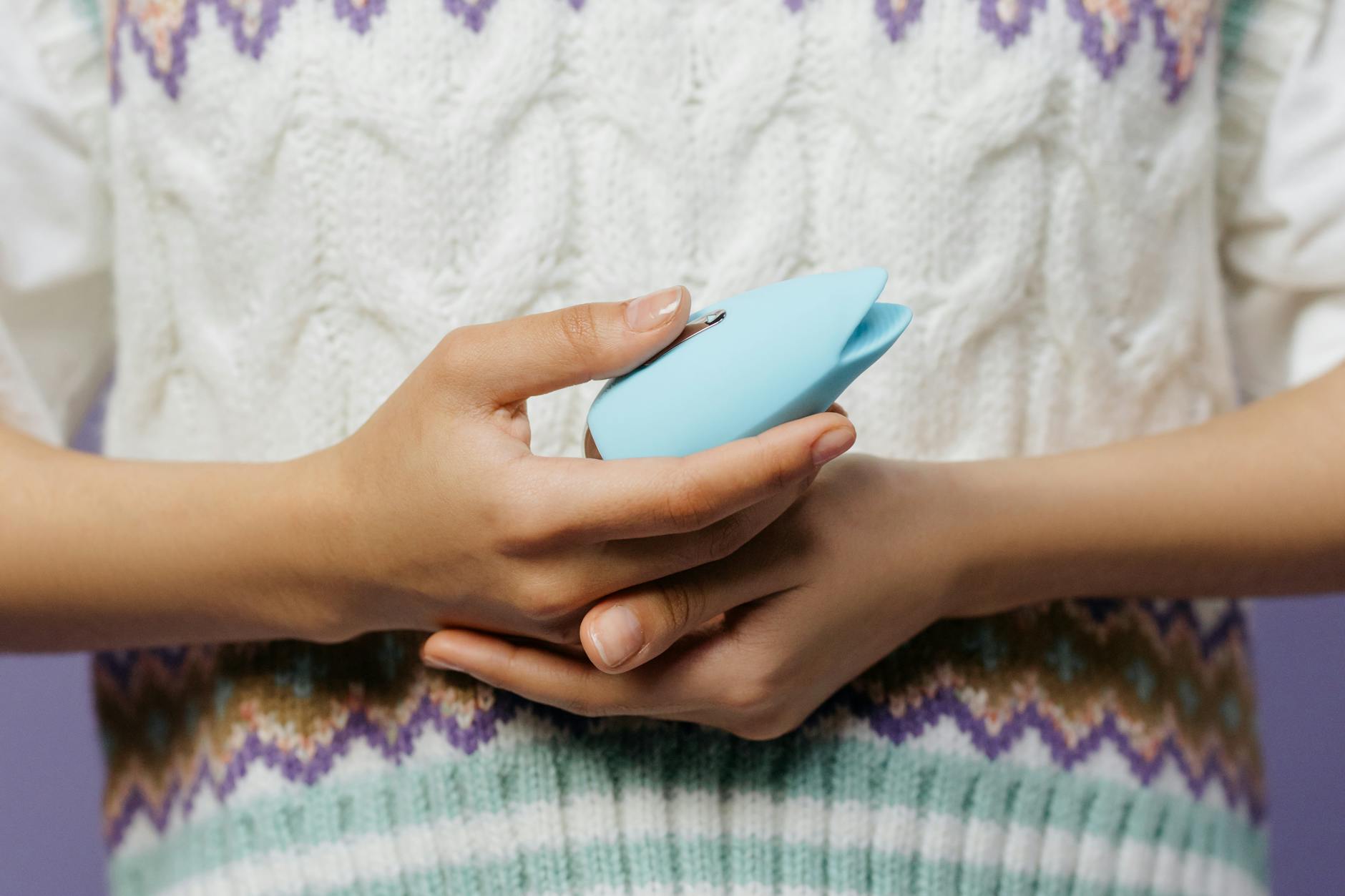
Suction-based devices like Lemon clitoral vibrators work differently. Instead of vibrating against tissue, they create a gentle, rhythmic suction pattern that stimulates the nerve endings without the mechanical pressure of a traditional vibrator. For people recovering from pelvic floor dysfunction, this is the difference between retraumatizing your nervous system and gently rewaking it.
The suction approach gives you control, gentleness, and the ability to stay at very low intensities while still feeling something real. That's the foundation you need.
The three-phase restart approach
Phase One: Sensation mapping without the vibrator (weeks 1-2).
Start here, not with the device. Your job is to relearn what touch feels like without expectation. Use your fingers or a partner's fingers with water-based lubricant on your external vulva. Go slowly. Notice where sensation is present and where it's muted. This isn't foreplay. It's information gathering. Spend 5-10 minutes a few times a week just noticing.
Many people report that their sensation returns fastest in places they didn't expect. Maybe your inner labia have more feeling than your clitoris right now. Maybe the outer edges feel more present than the center. That's fine. Map what's real, not what you want to be real.
Phase Two: Introduction to suction at the lowest setting (weeks 3-4).
When you're ready, introduce your Lemon vibrator at pattern 1 (the gentlest setting). Don't go for an orgasm. That's not the goal yet. The goal is to let your nervous system recognize that this sensation is safe and controllable. Start on the external vulva, not directly on the clitoris if it's tender. Let the suction pattern do the work. You're not supposed to feel much. You're supposed to feel that something is happening, and it's not triggering the clench response.
Keep this phase short. Five to ten minutes is plenty. Two or three times a week is enough. Your nervous system needs time to process between sessions.
Phase Three: Expanding sensation and building tolerance (weeks 5-8+).
Once you can tolerate pattern 1 without tension creeping in, you're ready to move gently upward. Try pattern 2. Maybe explore placing the Lemon device directly on your clitoris instead of around it. Notice if you're breathing. Tension often comes with breath holding. Conscious breathing during touch is one of the most powerful nervous system reset tools you have.
This phase is about rediscovering what pleasure feels like after dysfunction. It's not about reaching orgasm quickly. It's about building a new pathway between touch and safety.
Why patience is the actual tool here
Pelvic floor dysfunction recovery isn't linear. Some weeks you'll feel more sensation than others. Stress, menstrual cycle, sleep, and how much you're using other muscles will all affect what you feel during this phase.
The temptation is to push. To think "I should be further along than this" or "This isn't working fast enough." That mindset is the enemy. Your nervous system needs proof that touch is safe, and it only gets that proof through consistent, gentle, non-demanding experiences. Every time you show up without pushing, you're teaching your body that pleasure doesn't require performance.
If pain returns at any point, stop. This isn't about pushing through. This is about building trust with your own body. Talk to your pelvic floor physical therapist. They can adjust their work to complement what you're doing at home.
The role of your partner (if you have one)
Many people with pelvic floor dysfunction are also navigating relationship anxiety. If your partner has been waiting for you to be "back to normal," that pressure can actually reinforce the nervous system's guarding pattern. You can feel the expectation, and your body tenses.
Better conversation: "I'm relearning pleasure on my own timeline. That means I'm going to need you to be patient, and I'm going to need you to not ask when I'll be ready. I'll let you know."
If your partner wants to be involved, the safest way is to have them present during your Lemon device exploration without touching you. Their presence alone can help you feel supported without adding pressure. As your confidence returns, you can gradually invite more participation. But the speed is yours to set.
What to watch for
If you notice increased pelvic pain, a return of spasm, or numbness worsening instead of improving after two weeks of gentle exploration, that's information. It means this approach needs adjustment. That doesn't mean you've failed. It means your recovery needs a different timeline or additional support from your physical therapist.
Most people recovering from pelvic floor dysfunction report that Lemon's gentle suction approach feels markedly different from traditional vibrators they've tried. Less triggering, more controllable, and less likely to activate the guarding response. That's by design.
Rebuilding confidence, not just sensation
Pelvic floor dysfunction is as much about the psychological relationship with your body as the physical one. You've learned that touch isn't safe. Now you're relearning that it is. That rewiring takes time, repetition, and compassion toward yourself.
Every session where you can stay relaxed and present is a win. Every moment you notice sensation returning is worth celebrating. You're not trying to get back to how it was before. You're building something new. And often, people find that the pleasure on the other side of recovery is richer because they've had to learn it so intentionally.
People also ask
Can I use a Lemon clitoral vibrator immediately after pelvic floor physical therapy?
Not immediately. Give yourself at least one week of rest after your last PT session before introducing any device. Your tissues need time to settle, and your therapist needs to know what you're doing at home. Check with them first. Many PT specialists recommend starting with sensation mapping (your fingers, no device) for the first two weeks, then introducing very gentle device use in week three.
What's the difference between pelvic floor dysfunction and vaginismus?
They're related but different. Vaginismus is specifically involuntary muscle tightening that happens during penetration or attempted penetration. Pelvic floor dysfunction is broader. It can be tension, weakness, coordination issues, or a combination. Both affect sensation and comfort, but the recovery approach is similar: gentle, gradual reintroduction with a focus on relaxation over stimulation. If you have vaginismus, avoiding penetration entirely during recovery is usually the right call.
How long does pelvic floor recovery typically take?
Every body is different, but most people see noticeable improvement in three to six months of consistent physical therapy. Rebuilding pleasure sensation with a device often takes another two to three months of gentle exploration. So full restoration might take six to nine months. That sounds long, but it's not. You're rewiring a major nervous system pattern. Patience is the investment that pays off.
Should I use lubricant with a Lemon vibrator during recovery?
Yes, always. Even if your lubrication is normal, adding a water-based lubricant (not silicone, which can degrade silicone toys) reduces friction and lets the suction pattern work more smoothly. Many people in recovery have decreased natural lubrication due to tension or hormonal factors. External lubricant is your friend. Use generously.
Can I have an orgasm while recovering from pelvic floor dysfunction?
Maybe, maybe not yet. And that's completely fine. Many people approach recovery thinking orgasm is the finish line. It's not. The finish line is feeling safe in your own body again. Orgasm will return when your nervous system has the foundation to support it. Chasing it too soon can actually set recovery back. Focus on sensation, relaxation, and presence. Orgasm usually follows.
Is it normal for sensation to feel numb or distant even with the vibrator?
Completely normal. Your nervous system has learned that pelvic sensation equals pain or threat, so it's numbed itself as protection. That protective numbness is actually your body being smart. It will lift gradually as you prove through repeated gentle experiences that touch is safe. The numbness rarely lifts all at once. It lifts in patches, and sensation returns bit by bit. That's the process.
The path forward
Pelvic floor dysfunction is frustrating and disorienting. You've lost access to something that felt automatic, and getting it back takes intention. But recovery is real, sensation returns, and pleasure rebuilds. The right tool (like a gentle suction device), the right approach (slow and patient), and the right mindset (this is a marathon, not a sprint) get you there.
Your body isn't broken. It's protecting itself. Your job is to show it, through gentle, repeated experience, that protection isn't needed anymore. A Lemon vibrator, used thoughtfully during recovery, is one of the kindest ways to have that conversation.