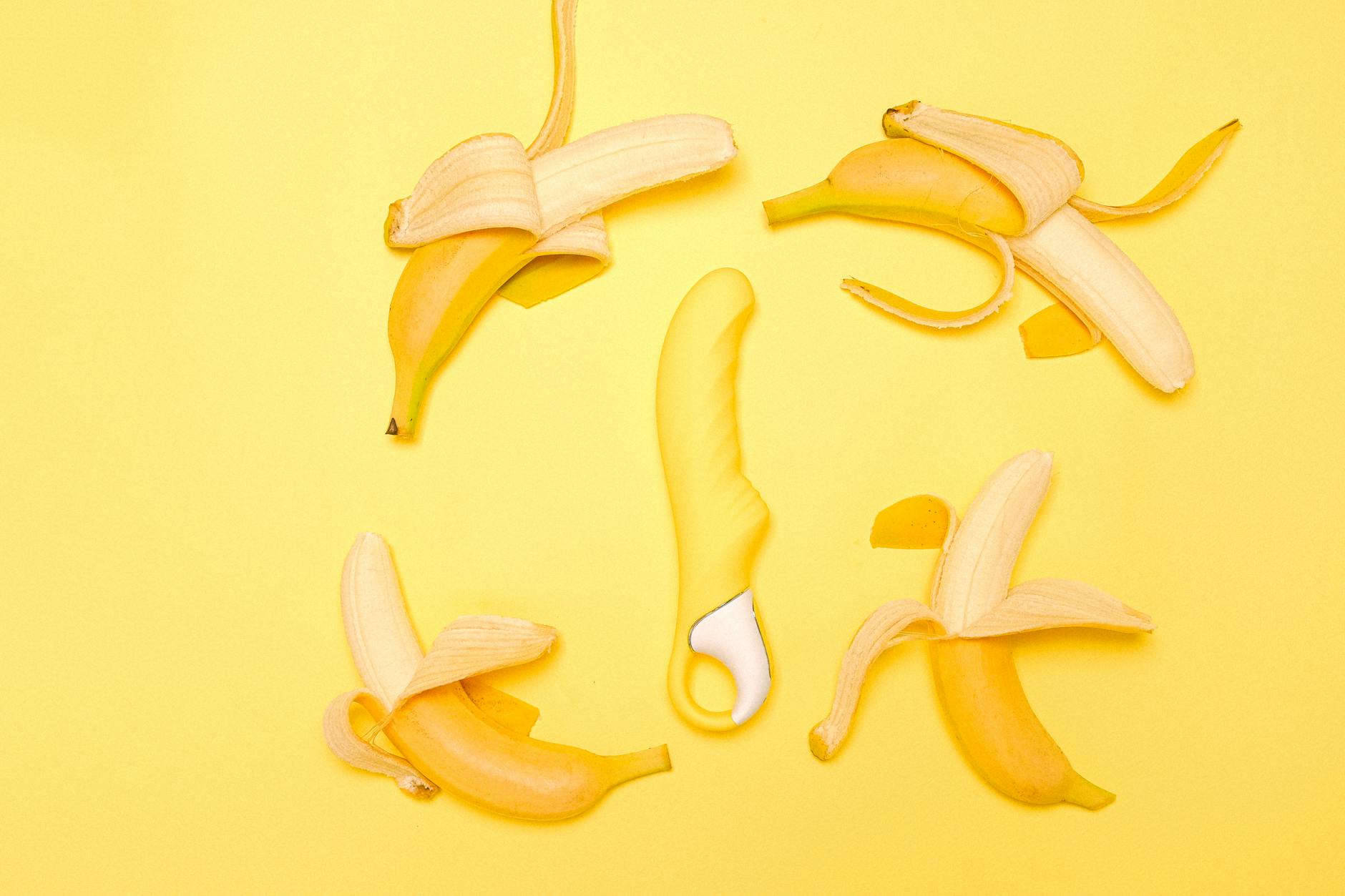
Let's start here: pleasure is part of healing
Relationship trauma rewires your body's signals. Betrayal, coercion, or abuse creates a disconnect between what your mind knows and what your nervous system believes about safety. Your body learns to protect itself by shutting down pleasure responses. That's not a flaw. It's survival.
But here's what matters: reclaiming pleasure is not about "getting back to normal." It's about building a new relationship with your own body. One where you're in control, where you set the pace, and where sensation means safety again.
Why lemon vibrators work for trauma recovery
A lemon clitoral vibrator gives you something traditional partnered sex can't during early healing: complete autonomy. You control the pressure, the rhythm, the stopping point. There's no negotiation, no performance, no reading someone else's needs.
The suction mechanism of a lemon vibrator is particularly valuable here. Unlike internal vibrators or toys that require penetration, external clitoral stimulation creates sensation without the vulnerability that deeper penetration can trigger in trauma survivors. You stay fully clothed if you want. You stay in control of your space.
Physiologically, rebuilding pleasure pathways matters. Your nervous system has learned to associate arousal with danger. Gentle, self-directed stimulation rewires that response. Studies on trauma recovery show that allowing the body to experience safe, consensual pleasure is a core component of nervous system regulation and healing.
Starting when you're ready, not when you think you should be
There's no timeline for this.
Some people need months before any form of sexual exploration feels possible. Others are ready sooner. Both are fine. The goal is to listen to your body, not to meet some external expectation of recovery speed.
When you do start, begin with yourself fully clothed and your lemon vibrator fully clothed too. That might sound unusual, but it's not. You're not trying to orgasm yet. You're trying to reconnect with sensation in a way that feels completely safe. Running the vibrator through fabric over your thighs or lower belly, just noticing what feels tolerable, is enough.
If that feels too close, start even further away. Run it over your arms, your neck, your collarbone. The goal is to experience a vibration, a sensation, a moment where pleasure is separated from shame, obligation, or fear.
Building tolerance gradually
As your nervous system adjusts, you might eventually explore more direct stimulation. Move slowly. There's no race.
Start with the lowest setting. On most Lemon Adult Toys vibrators, that means pattern 1 or 2. Spend several sessions at that level before moving higher. Your nervous system needs time to learn that sensation is safe.
Set a timer for 5 minutes. That's it. When the timer goes off, you stop. This isn't about reaching orgasm. It's about teaching your body that pleasure has boundaries and that you control those boundaries. That you can start, and you can stop, and nothing bad happens either way.
If at any point sensation triggers anxiety, flashbacks, or physical tension, stop immediately. There's no failure here. Your body is communicating. Listen to it. You can try again tomorrow, or next week, or next month.
Working through triggers (and knowing when to get support)
Trauma lives in the nervous system, which means your body might react in ways that don't make logical sense. A certain vibration pattern might feel fine one day and triggering the next. A particular position might suddenly feel unsafe. This is normal.
Keep a simple note on your phone: what felt good, what didn't, how you felt before and after. Over time, you'll learn what conditions help you feel safe. Maybe you need soft lighting. Maybe you need to be wearing clothes. Maybe you need to know your bedroom door is locked. These aren't limitations. They're the scaffolding that lets healing happen.
If flashbacks or dissociation come up regularly, this is the point to bring in professional support. A trauma-informed therapist can help you process what's surfacing and work with your body's responses in a deeper way. Toys can be part of healing, but they're not a substitute for therapy when trauma is significant.
Rebuilding trust with partners, if that's part of your path
If you have a partner, this exploration doesn't have to be shared until you're ready. Your solo journey with your own pleasure is yours alone.
If and when you decide to involve a partner, a lemon vibrator can actually ease that transition. Instead of moving straight to partnered sex, you can invite your partner to be present while you use the vibrator on yourself. They're there, but you're driving. You're in control, and they're witnessing your reclamation of pleasure. That's powerful.
Common starting point: you use the vibrator while your partner is in the room but not touching you. Later, they might hold you while you use it. Later still, you might both touch you together. There's no pressure to move through these steps. You move at the pace that feels right.
The conversation matters here. Tell your partner directly: "I need you to understand that this is about me rebuilding trust in my own body. This isn't about you, and it's not because something's wrong with you. It's something I'm doing for me." That clarity prevents a lot of misunderstanding.
Managing shame and self-judgment
One of the cruelest parts of trauma is the shame that comes after. Your brain might tell you that wanting pleasure means you're damaged, or that you should be "over it" by now, or that you don't deserve this.
Your brain is lying.
Reclaiming pleasure after trauma is radical. It says to the part of you that was hurt: you survived, your body is still yours, and you get to decide what happens in it now. Using a lemon vibrator, or any tool of self-pleasure, is a form of resistance against that trauma narrative.
Speaking that out loud, even in your own mind, helps. "This is my body. This is my pleasure. I'm choosing this." That recitation isn't about positive thinking. It's about rewiring the neural pathways that trauma created.
Creating the right environment
Your surroundings matter more than you might think. If you're healing from relationship trauma, your physical space carries weight.
Before you begin, do a quick check: Does your space feel safe? Can you lock the door? Is there anything in your room that reminds you of your trauma? If yes, move it, cover it, or do your exploration in a different room. You're retraining your nervous system to associate your body with safety. Your environment should support that.
Soft lighting helps. Some people light a candle. Others dim the lights. Silence works for some people, and for others, music or a guided meditation helps ground them. There's no "right" way. What matters is that you're creating conditions where your nervous system can relax even slightly.
Having your phone nearby, with a trusted friend's number available, can also help. Not because you're expecting something to go wrong, but because knowing you have support if you need it can actually make it easier to relax.
When pleasure returns (and what that might look like)
Healing doesn't feel like a light switch. It feels more like a dimmer gradually being turned up. Some days the pleasure will feel distant again. That doesn't mean you've failed or regressed. Healing is not linear.
When arousal does start to return, it might feel different than it did before your trauma. Orgasms might feel smaller or more internal. They might come faster or take longer. That's not wrong. Your body has changed, and it's building its own version of pleasure now.
Many people find that pleasure becomes more embodied after trauma recovery. Instead of being in your head, performing arousal, you're actually feeling sensation. That's growth.
The bigger picture
A lemon vibrator is a tool. What makes it powerful in healing is what you bring to it: patience with yourself, consistency, and the willingness to rebuild trust in your own body. That work is your own. No one else can do it for you.
If you're unsure whether you're ready to start this exploration, or if you find yourself stuck, reaching out to a trauma-informed therapist is exactly the right move. Your healing matters. Your pleasure matters. You deserve support in reclaiming both.