Let's talk about what you're probably not saying out loud
You're touching yourself and feeling... almost nothing. Or worse, that tingly-numb sensation where stimulation registers as pressure but doesn't translate to actual pleasure. You've tried more intensity, longer sessions, different angles. Nothing shifts it. It's frustrating, isolating, and weirdly common. You're not losing your capacity for pleasure. You're experiencing a very real neurological shift that's absolutely fixable.
Here's what I want you to know first: numbness and muted sensation are not character flaws. They're signals from your nervous system, usually telling you one of five things. And once you understand which one, the path forward becomes clear.
Why sensation goes numb in the first place
Your clitoris has about 8,000 nerve endings packed into one tiny area. Intense, repetitive friction over time can temporarily desensitize those nerves. Think of it like how your fingertips go slightly numb if you spend hours scrolling. The sensation doesn't disappear; the nerve endings get fatigued and stop reporting as loudly.
But friction isn't the only culprit. Numbness can also come from:
Medication side effects. Antidepressants, anxiety meds, and certain blood pressure medications dull sensation as a known side effect. This is real, it's frustrating, and it's usually reversible by adjusting dosage or switching medications with your doctor.
Pelvic floor tension. When your pelvic floor muscles clench (often from stress, trauma, or just habit), they cut off some of the blood flow to the clitoris. Less blood flow means less sensitivity. It's the opposite of what you'd expect, but tight is not good here.
Hormonal shifts. Estrogen levels directly affect nerve sensitivity in the vulva. Perimenopause, hormonal birth control changes, and post-menopause all alter this. Your nerves aren't damaged. Your biochemistry changed.
Psychological disconnection. Stress, anxiety, or just going through the motions without presence can feel exactly like numbness. Your body is there, but your nervous system isn't registering pleasure signals because your brain is elsewhere.
Lube or barrier desensitization. This one seems backwards, but using numb creams or latex condoms regularly can genuinely dull sensation over time. Some lubes also create a moisture barrier that mutes direct sensation.
Why lemon clitoral vibrators work differently than what you've probably tried
Most vibrators rely on friction and intensity to create sensation. You press harder, you increase the speed, you hope something registers. With desensitized tissue, that approach makes it worse. Higher friction fatigues the nerves further.
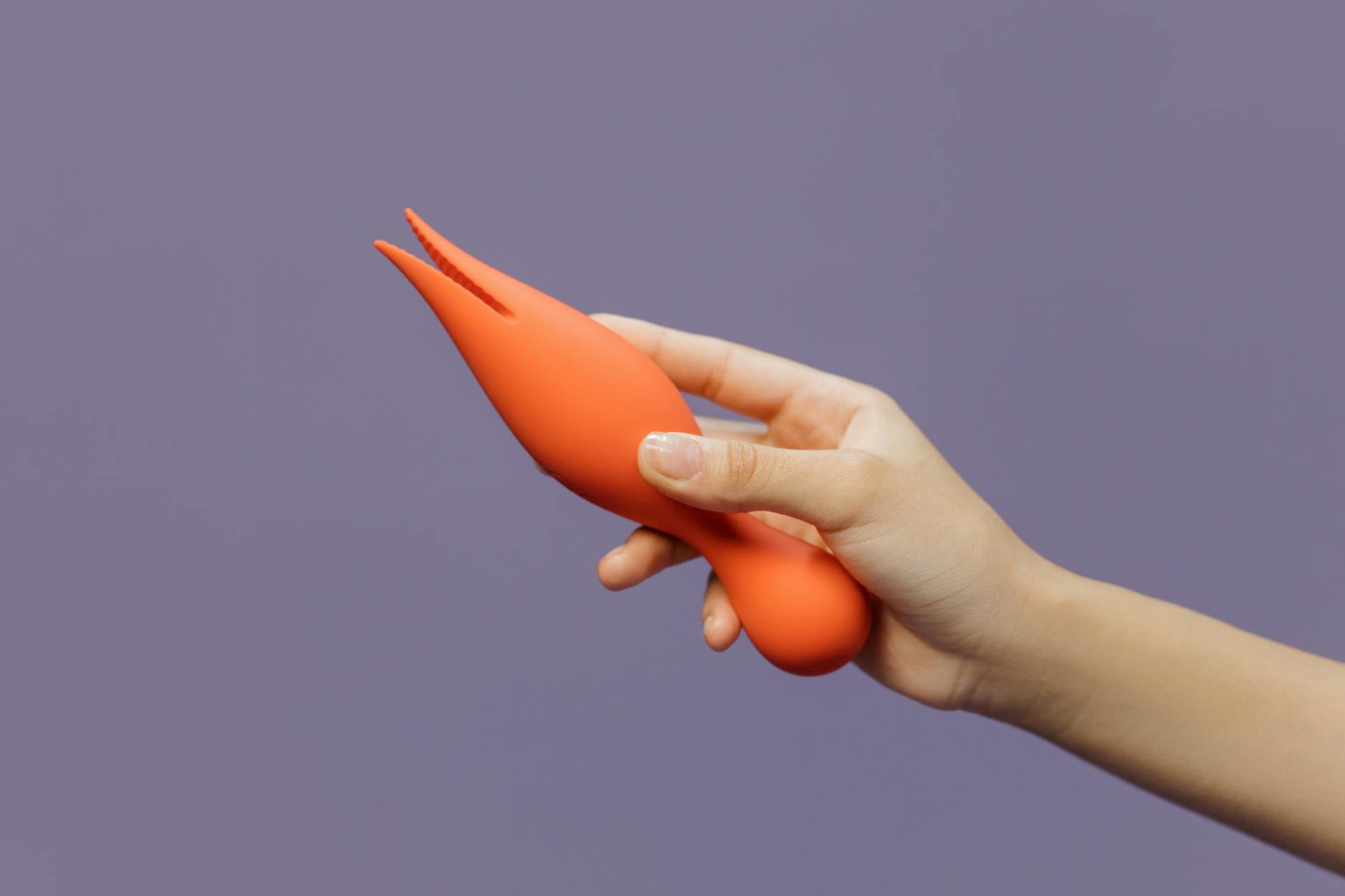
Lemon clitoral vibrators, like the Lem, use a completely different mechanism. Instead of friction, they use gentle suction and pulsing patterns that stimulate the nerve endings without aggressive mechanical pressure. Think of it less like rubbing and more like a soft pull and release.
Why this matters: suction creates a broad wave of stimulation across the entire clitoral network, not just the exposed tip. The sensation travels deeper, awakening nerves that friction alone might miss. It's also less fatiguing because there's no repetitive grinding. Your nerves get a chance to reset between pulses.
For people experiencing numbness, this is often the difference between feeling stuck and feeling alive again.
The practical reset protocol
If you're dealing with genuine numbness, here's how to recalibrate:
Week one: rest and reset. Stop using vibrators entirely for 5-7 days. Seriously. Your nerve endings need a break from overstimulation. This isn't forever. It's like letting a muscle recover after overuse.
Week two: rediscover sensitivity. Start with non-vibrator touch. Use your fingers or your partner's fingers with a good water-based lubricant. Slow, intentional touch. The goal isn't orgasm. It's noticing what you can feel. This usually takes 15-20 minutes. You're basically retraining your nervous system to register sensation.
Week three: reintroduce tools gently. If you have a lemon clitoral vibrator, start at the lowest setting. Use it for short bursts (30 seconds on, 30 seconds off) rather than long continuous sessions. You're teaching your nerves to respond to stimulation without fatiguing them.
Week four and beyond: build from there. Once you're noticing sensation returning, you can increase duration and try different patterns. Most people find that suction-based vibration keeps sensation responsive longer than traditional vibrators.
This isn't magic. It's just giving your nervous system permission to do what it's designed to do.
What to do if it's pelvic floor tension
If numbness comes with any tightness, heaviness, or that "clenched" feeling, your pelvic floor might be the real problem.
Start with breathing. Seriously. Pelvic floor tension usually comes from shallow chest breathing. Spend 2-3 minutes doing deep belly breaths where your abdomen expands on the inhale. Notice if anything softens. Most people feel an immediate shift.
Then try this: during your reset week, when you're using only touch, pay attention to whether you're gripping. If you are, consciously relax. Imagine your pelvic floor softening downward (not up and in). It takes practice, but this awareness alone often changes sensation within days.
If tightness persists, a pelvic floor physical therapist can work wonders. They're trained to release tension you might not even know you're holding. It's not weird. It's medicine.
When numbness is actually a medication issue
If you started a new med and sensation flatlined at the same time, that's not coincidence. Talk to your prescriber. You have options: adjusting the dose, switching to a similar medication with fewer sexual side effects, or taking it at a different time of day.
Don't suffer silently because you're embarrassed. Your doctor has heard this before. Numbness is a documented side effect of about half of all psychiatric medications. It's treatable.
In the meantime, lemon clitoral vibrators and other suction toys can help compensate while you're working with your doctor on the medication piece.
The mental piece matters too
Sometimes numbness isn't physical. You might be going through the motions, stressed about a million other things, or just checked out emotionally. That feels exactly like numbness.
If this resonates, the fix isn't a different toy. It's presence. Try this: when you touch yourself, actually pay attention. Notice temperature, texture, the exact location where sensation is strongest. Bring your mind back when it wanders. This sounds simple because it is. It's also wildly effective.
If emotional disconnection is the real problem, a therapist who specializes in sexuality can help. Sometimes numbness is your nervous system's way of protecting you from something. That's worth exploring.
When to see someone
If numbness comes with pain, change in appearance, discharge changes, or doesn't improve after four weeks of consistent reset work, see a gynecologist. These could signal something like dermatological issues or hormonal imbalances that need professional attention.
If you suspect medication is the culprit, loop in both your prescriber and a sex-positive healthcare provider. Many doctors don't think to mention sexual side effects when starting new meds. You have to ask.
If you're working with a partner and this is affecting intimacy, a couples therapist can help bridge the communication gap. Numbness can feel isolating. Talking about it openly, with professional support if needed, changes everything.
FAQ
Why do lemon vibrators help when my regular vibrator made numbness worse? Traditional vibrators rely on friction and intensity, which can fatigue already-sensitive nerve endings further. Lemon clitoral vibrators use suction-based stimulation that creates broader, gentler waves of sensation without the repetitive mechanical pressure. This gives your nerves a chance to respond without further fatigue.
How long does it take for sensation to come back? If numbness is from overuse, you'll often notice improvement within one week of rest. If it's medication-related or hormonal, it might take 2-4 weeks once you've addressed the underlying cause. If it's pelvic floor tension, some people feel shifts within days of breathwork. Patience matters here.
Can I use a lemon vibrator while I'm in the reset phase? Yes, but strategically. Skip week one entirely. Starting week two, use it only after you've spent time with manual touch, and keep sessions short (under two minutes initially). You're reintroducing tools gradually, not jumping back into what didn't work.
Is numbness permanent? No. Nerve desensitization is almost always reversible once you remove the cause and give your body time to reset. Hormonal numbness improves with HRT or time. Medication numbness improves when you work with your doctor on dosage or alternatives. Pelvic floor numbness improves with breathing and release work.
What if numbness is only in one spot, not everywhere? Localized numbness often points to a specific friction issue or an anatomical thing (some people have less sensitive areas, and that's normal). Switching stimulation location, angle, or method usually helps. A lemon clitoral vibrator's broad suction pattern often covers more area than you'd expect, which can activate sensation in spots that felt dead before.
Should I tell my partner about this? Yes, if you have one. Numbness can feel isolating and weird. Let them know what's happening, that you're actively addressing it, and what you need from them (space to reset, patience, or different types of touch). This shifts it from "something's wrong with me" to "we're solving this together."
The bottom line
Numbness isn't your fault and it isn't permanent. It's a signal that something needs to change. Maybe it's the tool you're using. Maybe it's how you're touching yourself. Maybe it's medication or stress or just needing permission to slow down. Once you figure out the cause, sensation comes roaring back, and it's often richer than before.
Your pleasure matters. It deserves the same care and attention you'd give any other part of your health. Start with the reset. Give yourself time. And if you want to explore lemon clitoral vibrators, approach it as gently as you'd approach anything newly sensitive. Your nervous system will thank you.