Here's the thing nobody tells you
Guilt around pleasure doesn't make you broken. It makes you human, and probably raised by humans with their own baggage. The shame you feel when you reach for a vibrator or think about your own pleasure isn't moral truth. It's inherited noise.
I've spent years watching people unlock their sexuality only after they untangle the guilt wired into them years before. And I've seen that untangling happen fastest when someone gives themselves permission to explore sensation alone, on their own timeline, without an audience or performance pressure. A Lemon clitoral vibrator becomes less a toy and more a tool for that reclamation.
Why guilt shows up during pleasure
Guilt during arousal usually has roots somewhere else entirely. Religious messaging about bodies being shameful. Parental discomfort translated into your discomfort. Messages that "good people" don't want things. A partner's jealousy rebranded as your selfishness. Trauma that taught you your body wasn't yours.
Whatever the origin, guilt works like a dimmer switch. It keeps arousal from fully turning on. Your nervous system stays in a low hum of caution instead of sinking into sensation. You might find yourself speeding up instead of slowing down. Finishing quickly so you don't have to feel the fullness of pleasure. That's guilt managing your body.
The fix isn't willpower or positive affirmations. It's habituation. Repeated, safe exposure to pleasure without punishment. Solo exploration rewires your nervous system faster than any conversation.
How solo exploration actually works
When you pleasure yourself with intention and without rushing, your brain builds a new file. Not "pleasure is shameful," but "pleasure is possible and safe in my body." This takes repetition. Neuroscience, not magic.
A Lemon vibrator helps because it removes the friction of self-consciousness. You're not navigating someone else's pleasure or managing their feelings. You're not performing. The suction-based design of Lemon sexual toys also creates a different sensation than manual touch. Novelty can help bypass shame that's attached to familiar patterns. New sensation feels like permission.
Building a shame-free practice
Start with intention, not guilt. Before you begin, name what you're doing: "I'm exploring what my body enjoys. This is allowed." Say it out loud. It sounds silly until it doesn't.
Set time and space. Not a rushed 5-minute affair while you're half-listening for someone arriving home. Real time. Maybe 20-30 minutes. A locked door. Your phone on silent. This is not selfish. This is resource allocation. Your pleasure deserves protection the same way your sleep or your friendships do.
Start with zero expectation of orgasm. This sounds backward, but orgasm often becomes the goal because we've been taught that pleasure needs a finish line. The actual work is learning to be present with sensation without rushing toward completion. Turn on your Lemon vibrator on the lowest setting. Notice what you notice.
The specific work of releasing guilt during sensation
You'll probably feel guilt bubble up. That's not failure. That's the guilt being present. Here's what to do when it arrives.
Notice it without stopping. "There's that guilt. It's a feeling, not a fact. I'm continuing." Keep your focus on the physical sensation. What does this feel like? Heat. Texture. Pressure. Pulse. The more you anchor into the actual sensory experience instead of the narrative of shame around it, the more your brain learns that sensation and safety can coexist.
If guilt gets loud enough that you want to stop, you can. Stopping under pressure isn't progress. But often, if you just keep moving, keep breathing, keep your attention on sensation instead of judgment, the guilt becomes background noise. Something you're experiencing but not something controlling you.
Why partners might also feel threatened
Guilt often comes tangled up with partner dynamics. A partner's insecurity can feel like your responsibility to manage. "Does this mean I'm not enough?" becomes your problem to solve.
Honestly? It's not. Your pleasure is not a reflection of their desirability. You can want your partner and also want something your partner cannot provide. Solo exploration with a lemon clitoral vibrator is not infidelity. It's self-care.
If a partner is expressing discomfort, that's information they have their own work to do. When your partner isn't interested in toys, the conversation is about building trust and security in the relationship, not about abandoning your own pleasure.
The nervous system piece
Guilt is a nervous system response. Your body learned somewhere that pleasure triggers threat. That relaxation is dangerous. Solo exploration with a Lemon adult toy works because repetition teaches your nervous system otherwise.
Every time you engage in pleasure without punishment, your vagus nerve learns a new calibration. Your nervous system begins to recognize arousal as safe, not dangerous. This happens gradually. Week two won't look like week four. But consistent practice works.
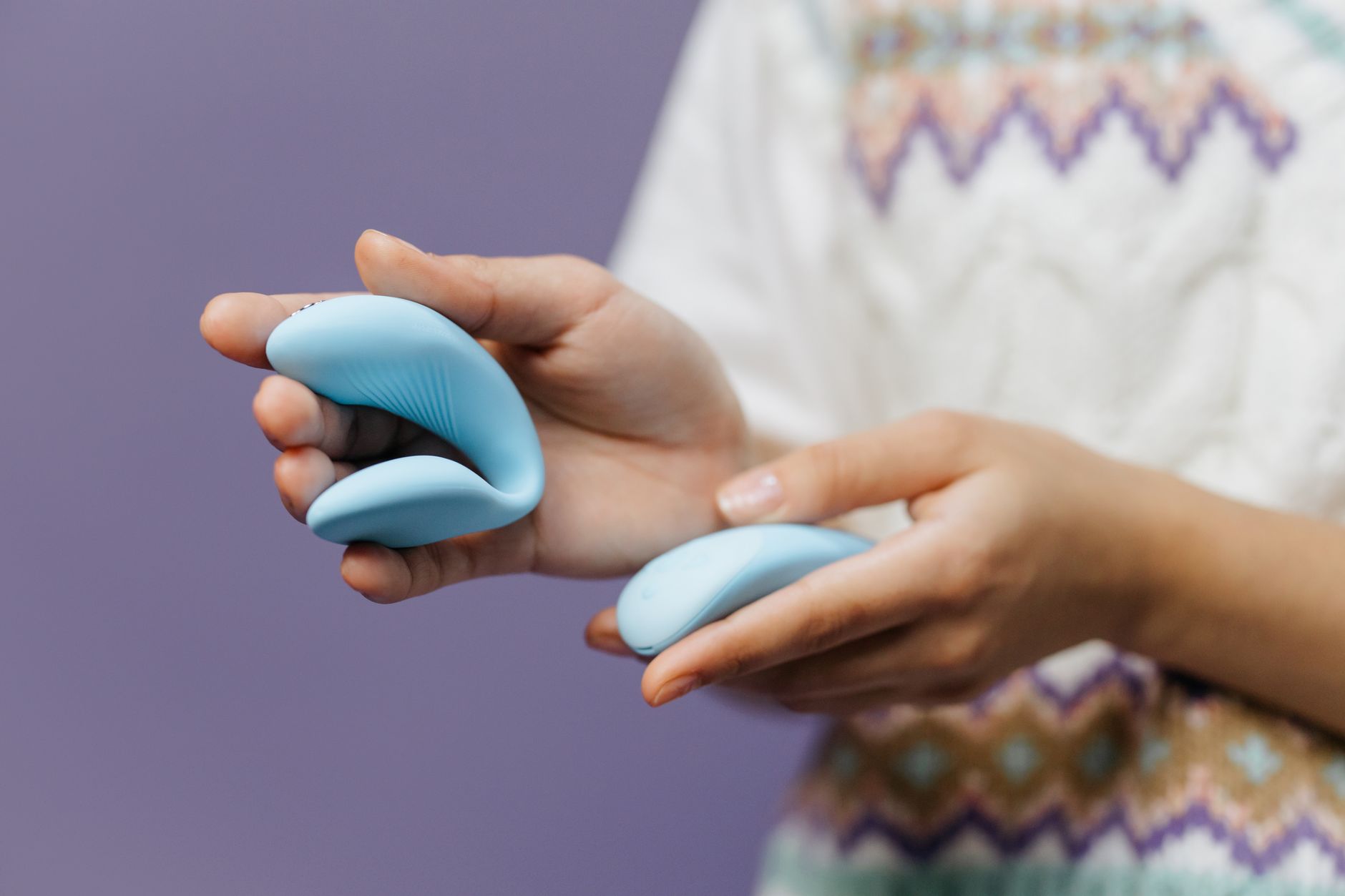
Photo by cottonbro studio on Pexels
What shifts when guilt starts lifting
You'll notice small changes before big ones. You'll reach for your Lemon vibrator without the internal negotiation. You'll spend longer than you planned and not feel rushed. Arousal will build more naturally instead of feeling like something you have to manufacture.
Eventually, you might notice that pleasure with a partner becomes different too. Easier. More honest. Less performance-based. Not because your partner changed, but because you stopped treating your own pleasure like a guilty secret. That permission extends into partnered sex.
The long view
Reclaiming pleasure isn't fast. It's not about white-knuckling your way to an orgasm while ignoring shame. It's about repetition. Showing your nervous system again and again that your pleasure matters. That your body deserves attention. That wanting something for yourself isn't selfish.
A Lemon vibrator can be the vehicle for that. Not because it's magic, but because it's a concrete, intentional choice to prioritize sensation over shame.
FAQ
Is using a vibrator a sign that my partner isn't enough?
No. Vibrators create sensation your partner's hand or body cannot replicate. Using one is no different than using a shower to get clean. It's not a referendum on your partner's adequacy. Your body has different needs at different times. Meeting those needs solo doesn't diminish partnership.
What if I feel guilty even when I'm alone?
That's deeply internalized messaging. You're not broken. It means the shame runs back further than you can reach alone. A therapist can help you untangle the origins. In the meantime, keep practicing. Repetition softens internalized rules.
Can guilt about pleasure affect my ability to orgasm?
Absolutely. Guilt keeps your nervous system partially braked. Your brain is monitoring for danger instead of sinking into sensation. That restriction directly limits arousal. Releasing guilt isn't required for orgasm, but it often makes it easier and more pleasurable.
Should I tell my partner I'm using a Lemon vibrator?
That depends on your relationship agreement and trust level. Some couples benefit from transparency. Some couples respect each other's solo privacy. There's no single right answer. But you don't owe your partner information about your body as payment for being in a relationship with them.
What if using a vibrator makes me feel worse about my body?
That's worth exploring with a therapist. Pleasure should gradually feel safer, not more loaded. If it's intensifying body shame, that's your nervous system telling you something needs support. A professional can help.
How long does it take to stop feeling guilty?
Guilt doesn't usually disappear entirely. It quiets. Stops having voting power. With consistent, intentional practice, most people notice shift within 3 to 8 weeks. But rewiring years of messaging takes time. Be patient with yourself.