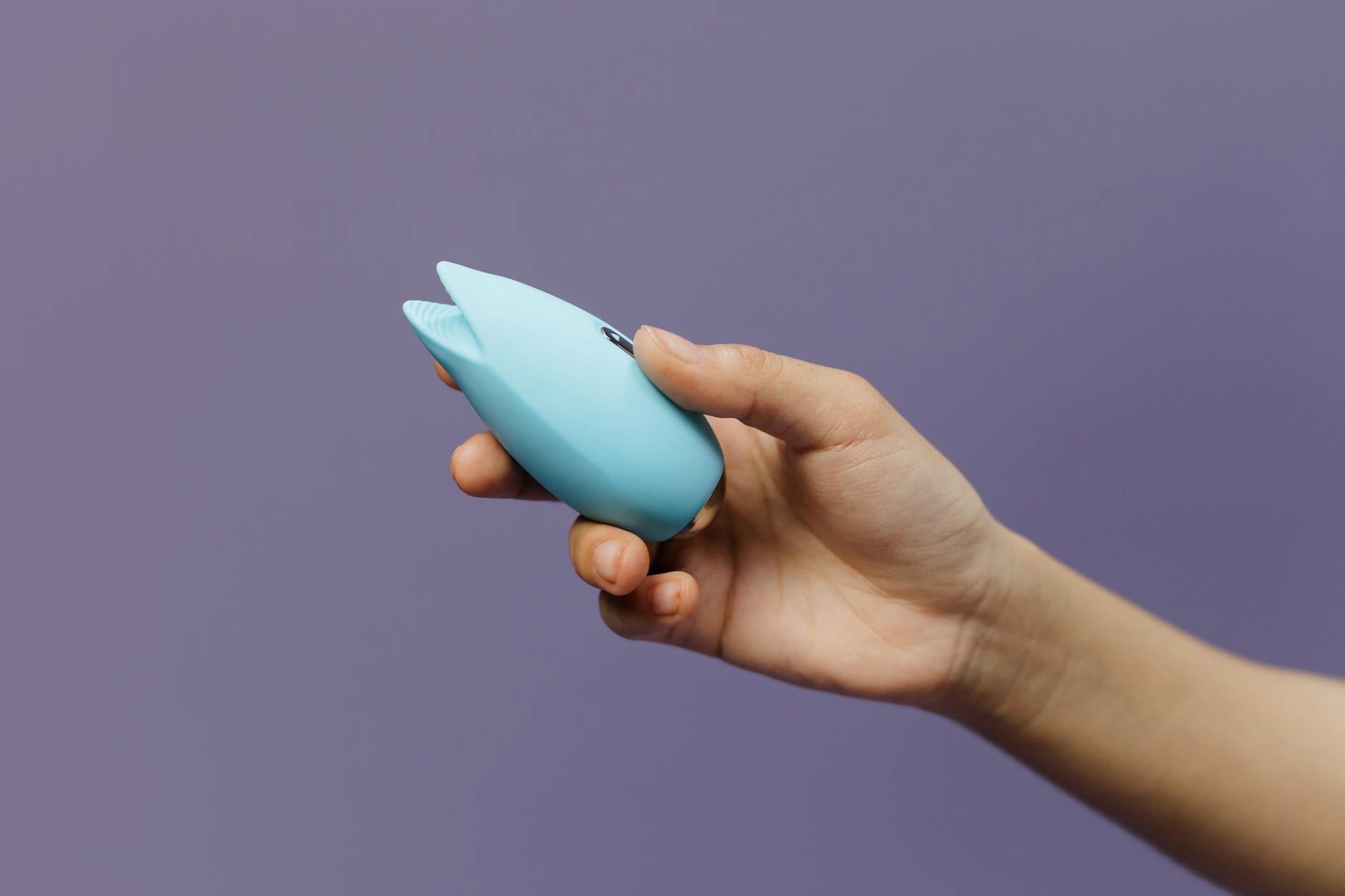
Let's name the thing everyone feels but won't say
You want to use a Lemon vibrator. But the moment you consider it, something inside says: this is selfish, this is too much, this is something other people do but not you. That voice isn't about the toy. It's about permission. And it's louder for some of us than others.
I work with clients who have every reason to believe they deserve pleasure. They're accomplished, they're generous, they show up for everyone around them. And yet when it comes to their own bodies, they freeze. The guilt is so automatic they barely notice it until it's already killed the mood.
Here's what I know: shame and arousal cannot occupy the same space. The moment self-judgment switches on, the nervous system switches off. A Lemon clitoral vibrator is only as effective as the permission you give yourself to use it. So let's deal with the actual obstacle first.
Why the guilt shows up in the first place
There are a few sources, and they're usually layered.
Religious or family messaging. If you grew up hearing that pleasure was selfish, sinful, or something to be suspicious of, that becomes your baseline. Your brain didn't file it under "opinion." It filed it under "fact." Rewiring takes work, not just logically believing something different but teaching your nervous system that pleasure is safe.
The martyr template. Many of us (especially women) internalized that taking care of ourselves comes last. Everyone else's needs first. Wanting something just for pleasure, with no outcome beyond feeling good, can register as a violation of that rule. Using a lemon vibrator for the sole purpose of your own orgasm can feel impossibly indulgent.
Embarrassment about the body. This one's trickier because it's not always about pleasure being wrong, it's about your body being wrong. Self-consciousness about shape, scars, aging, sensitivity, or the way things look can make touching yourself feel exposing. A vibrator makes that exposure real.
Internalized messages about "good girls." Good girls don't have needs. Don't make noise. Don't take up space. Don't ask for what they want. Using a lemon sexual toy directly contradicts that instruction.
Understanding which source is yours matters. The fix isn't the same for everyone.
The neuroscience part (why willpower alone won't work)
Your shame response doesn't live in your rational brain. It lives in your limbic system, the oldest part of your nervous system. That's why you can intellectually know that pleasure is fine and still feel disgusting the moment you try to act on it.
When you try to use a clitoral vibrator while shame is active, your body is literally in a defensive state. Blood leaves your genitals. Your pelvic floor tightens. Arousal can't build. You might feel numb or disconnected from sensation. So you blame the toy, or you blame yourself, and you stop trying.
The tool isn't broken. Your nervous system is protecting you from what it perceives as danger.
To use a Lemon vibrator effectively when shame is present, you have to talk to your nervous system first. You can't think your way out of this one.
Three concrete ways to rewire before you even touch a toy
1. Name the voice without judgment. When the guilt appears, don't argue with it. That never works. Instead, get curious. "There's the shame voice. I notice it's saying I'm selfish. Thank you for trying to keep me safe." This sounds gentle, maybe even silly. It's not. You're signaling to your nervous system that the threat it's detecting isn't actually dangerous. That takes repetition, but it works.
2. Start with non-sexual touch. Before you use a lemon vibrator, spend two weeks touching your body for zero purpose except to notice sensation. Touch your arm and feel the texture. Massage your shoulders. Notice your own skin without outcome. This disconnects touch from pressure and retrains your brain that your body is neutral space, not a danger zone.
3. Create a ritual that feels like permission. This might sound ceremonial, but it's actually nervous system medicine. Light a candle. Put on music that feels good to you. Close the door. Create a physical boundary that says "this time is for me." Your nervous system responds to containers. When you mark something as separate and intentional, shame has less leverage.
When you actually use a lemon clitoral vibrator
Once you've done some of the nervous system work, here's how to keep shame from hijacking the moment.
Start with the lowest pattern and lowest intensity. This isn't about stimulation level. It's about reducing the amount of sensation you have to process while you're also managing the emotional task of allowing yourself to feel good. The Lem's pattern 1 is gentle. Use it. You can always increase later.
Keep your eyes open at first. I know this sounds counterintuitive. But closing your eyes can deepen disconnection if you're already fighting shame. Open eyes and looking at your own body is an act of acceptance. It tells your brain you're present and willing. This shifts the entire experience.
Name the sensations instead of judging them. As you use the vibrator, go internal. "I feel tingling." "That's warm." "That pressure is building." Simple, factual description keeps you present and takes shame off center stage. The moment your mind goes to "this is weird" or "what if someone heard," you're back in judgment mode. Catch it and return to sensation.
Orgasm isn't the goal. I mean this. The moment orgasm becomes the target, performance pressure takes over and shame has a seat at the table. Your job right now is just to practice allowing yourself to feel. If an orgasm comes, great. If it doesn't, you still succeeded. You gave yourself permission.
What changes when you keep showing up
I've worked with clients who felt so guilty about pleasure that they couldn't orgasm even alone. It took months of practice. But every time they used a lemon vibrator and didn't have the guilt attack, their nervous system learned something new: this is safe. I'm allowed. Nothing bad happens when I feel good.
Eventually, the neural pathway from stimulation to arousal to pleasure stops getting blocked. The shame voice is still there, but it's quieter. It's in the background instead of center stage.
Some people notice they breathe differently. Some notice they can stay present longer. Some notice their orgasms feel deeper because there's no resistance. Those aren't small things. That's your body remembering that it's on your side.
If you have a partner, this is also where things often shift. A lot of communication breaks down with your partner because shame operates in silence. The moment you give yourself permission to experience pleasure solo, the dynamic in partnership shifts too. You're modeling that pleasure is normal. That your body deserves attention. That you matter.
When shame runs really deep
Sometimes the guilt is so embedded that a vibrator alone won't dislodge it. This is especially true if shame connects to trauma, religious upbringing, or family patterns that were really powerful.
If you've been practicing and still feel like you're fighting yourself every time you try, therapy actually helps. A good therapist can help you trace where the message came from and rewire it at the source. This isn't about shame being your fault. It's about getting support to dismantle something that was installed long before you had a choice.
There's also a whole category of people who feel self-conscious about pleasure because they've been shamed by partners. If someone has made you feel bad about wanting a lemon vibrator, or wanting pleasure that doesn't center them, that's a separate conversation. How to Use a Lemon Vibrator When Your Partner Avoids Talking About Sex addresses that dynamic directly.
The permission isn't something you find, it's something you practice
Your body deserves to feel good. Not because you earn it or because you've been good enough or because you've taken care of everyone else first. Because you're a person. That's it.
A Lemon clitoral vibrator is a tool that works best when you're not fighting yourself. Every time you use one and let yourself feel, you're teaching your nervous system that pleasure is not a threat. You're rewiring years of messaging that said otherwise.
Start small. Be patient. Expect the shame voice to show up. Welcome it like an old habit that's trying to protect you, then gently put it aside anyway. That's not ignoring it. That's choosing something different.
You deserve to feel good. And that deserves to start with you believing it.
People Also Ask
Why do I feel guilty when I use a vibrator?
Guilt during pleasure usually traces back to early messaging that taught you pleasure was selfish, sinful, or something to be suspicious of. Your nervous system learned that good people don't prioritize their own sensation. A vibrator makes that rule visible, which is why the guilt often surfaces. The guilt isn't a sign something is wrong. It's a sign something was installed in you that doesn't belong anymore.
Can shame actually prevent me from having an orgasm?
Yes. Your nervous system can't build arousal while shame is active. When you feel guilty or judged, your body goes into protection mode. Blood leaves your genitals. Your pelvic floor tightens. Sensation numbs. This is why willpower doesn't work. You're not failing at relaxation. You're fighting a nervous system that's been taught pleasure isn't safe. The fix is nervous system rewiring, not trying harder.
How long does it take to stop feeling self-conscious about using a lemon vibrator?
This varies wildly depending on how deep the shame goes. Some people notice a shift in weeks. For others, it takes months of consistent practice. The pattern matters more than the timeline. Every time you use the vibrator and stay present without judgment, you're training your brain that this is acceptable. That accumulation is what changes things.
Should I tell my partner I'm using a vibrator if I feel embarrassed about it?
Not necessarily right away. Build your own relationship with pleasure first, without performance pressure. Once you feel less self-conscious alone, partnership conversations become easier. Some people never need to disclose. Others find that openness deepens intimacy. The key is your comfort, not obligation.
What if the shame is connected to my religion or upbringing?
That requires a different kind of work. You might benefit from a therapist who understands both sexuality and religious trauma. You're essentially rewiring core beliefs about what's allowed for you. That's bigger than a vibrator, and it deserves proper support. But it is rewiable. People do it all the time.
Is it normal to feel disconnected from sensation when I use a vibrator?
Completely normal when shame is present. Disconnection is a protection mechanism. Your body is checking out to keep you safe from feeling something it's been taught is dangerous. This usually shifts as you practice and your nervous system learns the experience is actually okay. Start with lower intensity and open eyes to stay present. Sensation returns when the body trusts again.