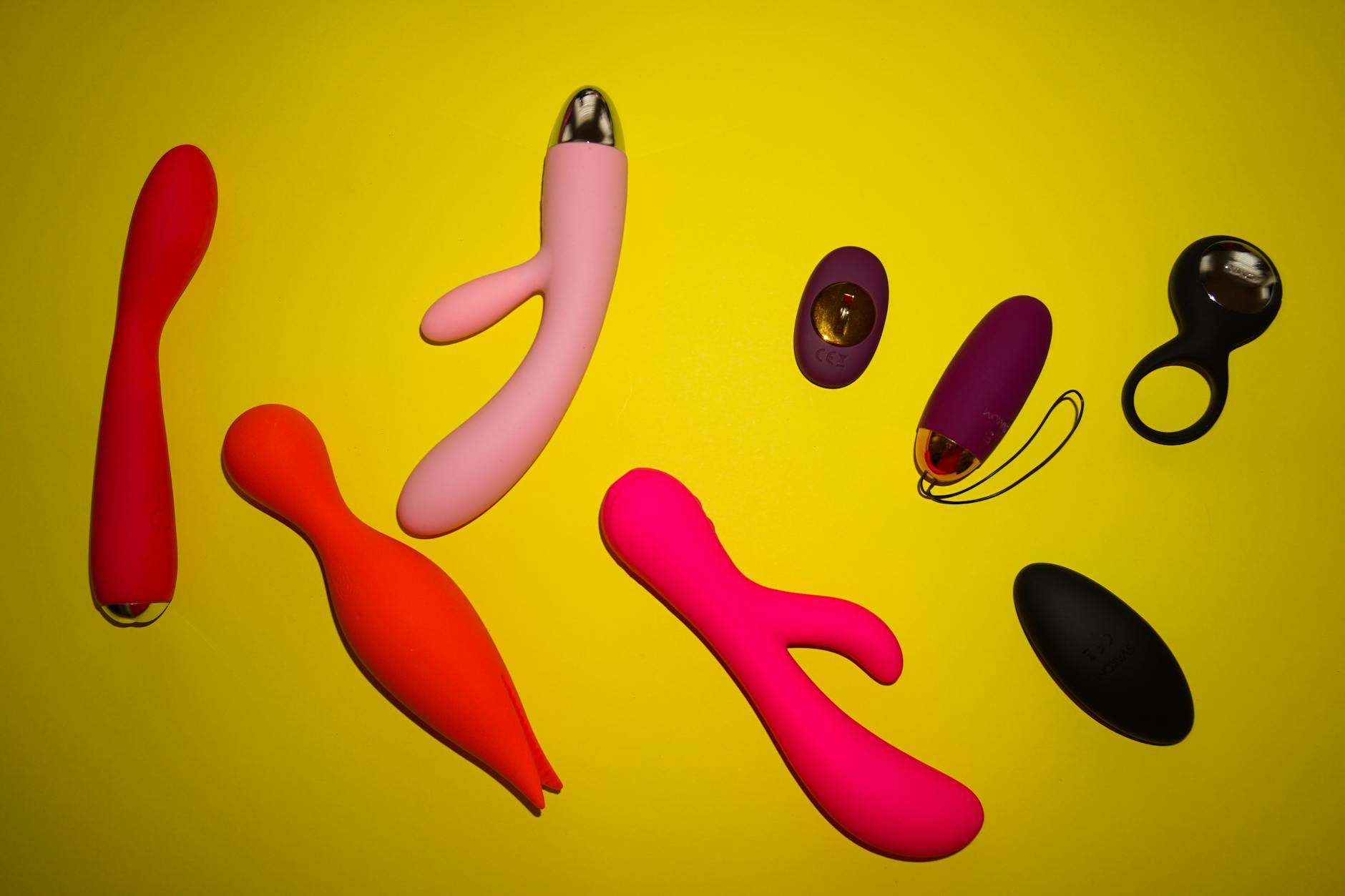
Let's start with the honest part
Solo sex with a lemon clitoral vibrator is not a consolation prize. It's actually where you learn what you want, which means it's foundational. When there's no partner to consider, no rhythm to match, no performance pressure, you get to be completely selfish about stimulation. And that selfishness is how you discover what your body actually needs.
Most people—especially women—have spent so much time calibrating pleasure around someone else's preferences that they've never really explored what they want when nobody's watching. A lemon vibrator removes the guesswork. It lets you experiment.
Why solo play with a clitoral vibrator actually matters
There's a reason therapists recommend masturbation as part of couples counseling. It's not about avoiding your partner. It's about developing sexual literacy about yourself—knowing your patterns, your preferences, your thresholds. That knowledge transforms partnered sex later.
When you're using a lemon clitoral vibrator alone, you're not managing anyone else's comfort, pleasure, or pace. You can spend twenty minutes on a single rhythm if that's what works. You can switch patterns five times in two minutes. You can build slowly or go hard immediately. Nobody needs convincing. Nobody gets tired. You get to explore in a way that's virtually impossible when someone else is involved.
This matters physiologically too. Clitoral stimulation builds arousal in waves, not lines. Most people need 15-25 minutes to reach peak sensation, especially as they get older. Partnered sex often doesn't allow for that kind of extended focus. Solo time with a lemon vibrator does.
The setup that actually works
Let's talk about the practical stuff first because environment shapes everything.
Find a space where you won't be interrupted for at least 30 minutes. Not because you need the whole time, but because knowing you have it removes anxiety. A bedroom with a locked door, a bathroom at odd hours, your car in a parking lot before work—wherever you can genuinely relax without checking over your shoulder.
Take your phone off. Not silent. Off. Or at least face-down where you're not seeing notifications. The cognitive load of potential interruption actually suppresses arousal—your nervous system stays semi-alert, which blocks the parasympathetic activation you need for pleasure.
Have water nearby. Seriously. You'll thank yourself at minute 20 when you're warm and focused. A lube bottle within reach too—even if you think you'll be fine without it, having it nearby means zero interruption if you change your mind mid-session.
Temperature matters more than people think. Slightly warm is better than cool. A blanket draped over you, or a room that's genuinely cozy, helps your nervous system relax faster. Your body won't shift into pleasure mode if it's shivering or overheating.
How to start when arousal feels distant
Honestly though, the first thing isn't the lemon vibrator. It's your head.
If arousal doesn't come immediately, don't panic and jump to maximum intensity. That's the instinct, and it almost never works. Instead, start with your hands. Your fingers. Your imagination. Whatever typically starts the chain reaction. Give yourself five minutes of mental and physical engagement before you introduce the vibrator.
This matters because arousal is literally a progression. Your clitoris engages, blood flow increases, tissue sensitivity grows. If you skip the buildup and go straight to external stimulation, you're asking your body to show up at mile three of a five-mile run. It's disorienting.
So: thoughts, fantasies, or memories that typically turn you on. Touch yourself without the vibrator for a few minutes. Notice what feels good. Then introduce the lemon clitoral vibrator on a low setting.
The rhythm patterns that build intensity
Most lemon vibrators have multiple patterns. This is your toolkit. You won't use all of them every time, but knowing what each does is crucial.
Start with constant, gentle rhythm. Not pattern mode—just a steady hum at low intensity. Place it directly on your clitoris or just above it, depending on sensitivity. Some people find direct contact overwhelming; others need it. You're learning.
Stay with that pattern for 3-5 minutes. Don't rush into variation just because you're not at maximum intensity yet. Arousal needs time to layer. Each minute of stimulation adds sensitivity and sensation. By minute three, things will feel notably different than minute one.
Then, increase intensity gradually. Go from level one to level two. Sit with that for another 3-5 minutes. Notice what changes. Does it feel better immediately, or does your body need time to adjust? There's no wrong answer—you're just gathering data about yourself.
Once you're at moderate intensity and arousal is clearly building, that's when you can experiment with pattern modes if your vibrator has them. Pulsing, rapid, escalating—try each one for 30 seconds to a minute. Which one creates that tightening sensation in your core? Which one feels like it's building toward something versus just feeling pleasant?
That distinction matters. Pleasure can be the goal on its own, which is valid. But if you're chasing orgasm specifically, you need patterns that create that ascending sensation of intensity, not just consistent numbness that's supposed to feel good.
When you're close to orgasm
Most people make one mistake here. They stop exploring and go rigid. They hold their breath. They tense up in the hope that intensity will arrive.
Actually, the opposite works better. When you feel arousal climbing and you're maybe 60-70 percent of the way toward climax, relax harder. Let your pelvic floor soften. Breathe. If your legs are clenched, uncurl them. If your hands are gripping the sheets, release.
This is genuinely counterintuitive because orgasm feels like it requires effort. But it actually requires release. Your body is looking for a pattern where tension has built and then suddenly drops. If you stay rigid the whole time, you're asking your body to find that drop while you're preventing it.
Keep the vibration steady while you relax into it. Sometimes that final softening is what tips you over. Sometimes you'll get closer and plateau—that's also normal, especially if you're learning a new tool.
What to do if climax feels stuck
Okay, so you're very aroused, the lemon vibrator is doing its job, but you're not actually reaching orgasm. This happens constantly and it's not a failure.
Three options:
First, switch to a different pattern or intensity. Sometimes your nervous system gets habituated to a specific rhythm and needs variation to push through. If you've been at a steady pulse for five minutes with no progress, try something faster or slower.
Second, change your mental engagement. If you've been using the same fantasy the whole time, try shifting to something new. Or if you've been consciously thinking, try going blank. Different mental approaches activate different neural pathways—sometimes one works better than the other on a given day.
Third, take a break. Seriously. Back off the vibrator, breathe for a minute or two, let arousal settle slightly, and then return. Sometimes the climax isn't happening because you've plateaued and need a reset to climb again.
And here's the thing nobody says: you don't have to come every time. Some solo sessions are about pleasure that never crests into orgasm. Some are about exploring sensation. That's not failure. That's actually learning what your body is capable of.
Recovery and what happens after
After you finish—whether that's orgasm or just a satisfying session—your nervous system needs a moment.
Don't immediately jump up. Let yourself lie there for 3-5 minutes. Let your heart rate come down. This is when your brain is processing what just happened, and the parasympathetic nervous system is cementing the experience as safe and pleasurable. Rushing out of that state teaches your body that pleasure is a brief interruption to normal life, not something worth settling into.
Turn off the lemon vibrator. Clean it afterward if it's silicone or can be submerged. If you used lube, wash your hands.
Then, notice how you feel. Do you feel relaxed? Energized? Sleepy? All of those are normal. Over time, you'll notice patterns in how your body responds. Some people feel grounded after solo play, others feel activated, some feel ready to sleep. None of those are wrong—they're just feedback about what your nervous system is processing.
When to troubleshoot versus when to adjust expectations
If solo play with a clitoral vibrator never feels like much, consider a few variables before assuming it's just not for you.
First, are you actually relaxed? Stress, distraction, and anxiety are arousal killers. If your mind is half on a work email, your body won't show up. Some people need to do genuinely boring things first—exercise, a bath, meditation—just to get stress out of the nervous system.
Second, are you giving it enough time? If you're allotting ten minutes and expecting full arousal and orgasm, you're undershooting for most bodies. Especially if you're over 35, or dealing with stress, or on medication that affects arousal, you probably need longer to build sensation.
Third, are you using enough lube? Even if you think you won't need it, having it available removes that moment of friction or dryness that breaks the experience.
If you've adjusted those variables and solo play still feels flat, it might be worth exploring whether there's underlying anxiety about self-pleasure—that's common and often responds to <a href="/blog/how-to-use-lemon-vibrator-for-first-time-after-long-break-from-sex">reframing pleasure after time away from sex</a>. Or it might simply be that partnered stimulation is more engaging for your particular nervous system, which is also fine.
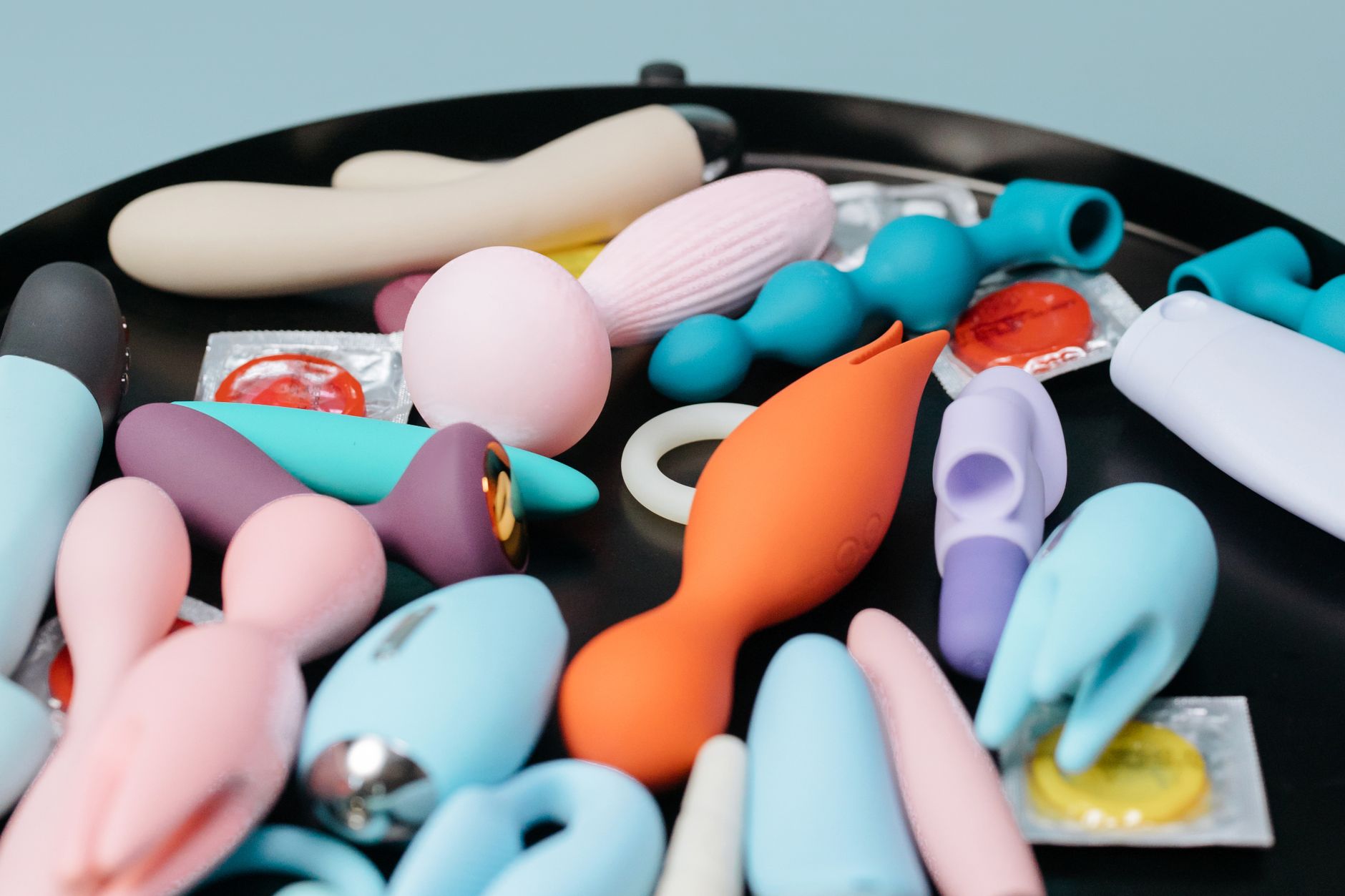
Photo by cottonbro studio on Pexels
Building a sustainable solo practice
Let's be real: if you're relying on solo play for your primary sexual outlet, consistency matters more than intensity.
Once a week is genuinely enough to maintain connection to your body and arousal patterns. Some people do it more, some less. But weekly solo time means you're staying literate about what works for you—which means when you do have partnered sex, you're not relearning your body from scratch.
It also means your nervous system is receiving regular permission to feel pleasure without performance, which genuinely improves baseline resilience and mood. Regular solo play with a lemon clitoral vibrator is actually calming, not just exciting.
Keep your setup consistent. Same time of day if possible. Same space if you can. Your nervous system loves predictability—it means you can relax faster because your body anticipates the pattern.
FAQ: Questions you're probably asking
How often is it normal to masturbate with a vibrator?
Once a week to several times a week is completely normal. Some people need it daily, some monthly. There's no frequency that's