Let's start with the real problem
One of you wants it fast. The other needs time to build up. You're not broken. You're not incompatible. But right now, every time you get in bed together, one person feels rushed and the other feels bored.
This is actually one of the most common timing mismatches couples face, and it creates a particular kind of resentment. The slower partner feels pressured. The faster partner feels like sex is becoming a chore again. Within a few weeks, one or both of you stops initiating altogether.
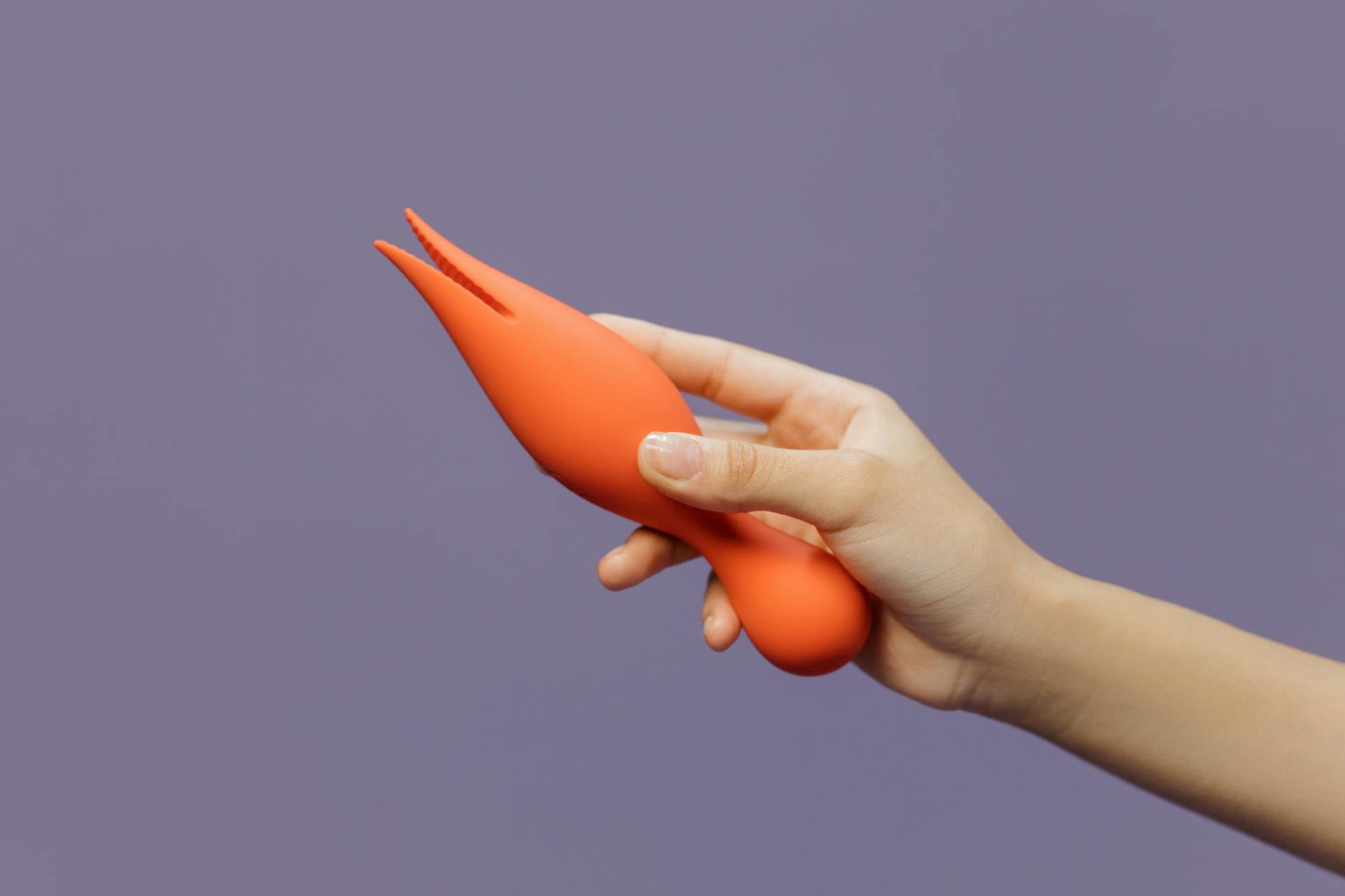
The good news: a Lemon Adult Toys vibrator isn't a compromise. It's a completely different solution.
Why timing mismatches happen in the first place
Your bodies aren't running on the same clock. This is biology, not a referendum on how much you care.
One person's nervous system ramps up arousal quickly. Their body floods with blood, their clitoris engorges, orgasm becomes possible in minutes. The other person needs a longer warm-up phase. Their arousal builds gradually. Pushing before they're ready feels numb, uncomfortable, or irritating.
Add stress, age, hormones, medication, or just personality differences into the mix, and the gap widens. One partner might naturally be a 10-minute person. The other is 25 minutes. That 15-minute gap stops being cute pretty fast.
Here's what usually happens next: the faster person waits, gets bored, loses some of their own arousal. The slower person senses the impatience and feels self-conscious, which makes everything take longer. Both of you end up frustrated.
How a Lemon vibrator actually solves this
A clitoral vibrator like the Lem doesn't just feel good. It collapses the timeline gap because it creates intensity without requiring a partner's continuous presence or rhythm.
What that means in practice: the slower partner can get into their own arousal arc while the faster partner is present but not performing. There's a real psychological difference between "my partner is waiting for me to hurry up" and "my partner is enjoying watching me use my own tool."
The slower person gets their full warm-up time without guilt. The faster person gets to stay in the moment without boredom or resentment creeping in. You sync up when both of you are ready, not on someone else's timeline.
This works because vibrators offer consistent, focused stimulation that a partner can't replicate for 20 minutes straight without fatigue or losing focus. If you're the faster partner, you can use this time to simply stay present. Kiss them. Watch them. Talk. Your arousal stays up because you're engaged, not performing.
The practical setup that actually works
Timing alignment isn't about willpower. It's about structure. Here's what I recommend to couples:
Start before you're both aroused. Don't wait until one person is ready and the other is scrambling. Build in 5 minutes of transition time. Kiss, touch, get into the headspace. This is not foreplay yet. It's permission to transition.
The slower partner takes the lead on their timing. They decide when to reach for a lemon clitoral vibrator, not when the faster partner suggests it. This removes performance pressure and makes it their own pleasure arc, not something happening to them.
The faster partner stays involved without taking over. You can touch their body, kiss their neck, whisper, move closer. But you're not responsible for their arousal. That frees you from the mental burden of "is this working, am I doing it right, when will they be ready."
Set a rough expectation, not a timer. "I usually need about 20 minutes before I feel ready" is useful. "We have exactly 18 minutes and I'm watching the clock" is not. Give yourself a range, not a deadline.
What happens when roles flip
Sometimes the person with the faster timeline is you, and sometimes it isn't. The beauty of this approach is that it works in reverse too.
If your partner is the one who gets there quickly and you're the slow burner, they might naturally reach for a Lem vibrator while you're still in your warm-up phase. That works. Or they might just stay present with you, and you use it when you're nearly ready and want to finish together.
The point is that the tool adapts to whoever needs it that day. It's not gendered, it's not a sign that something is wrong, and it's not a replacement for your partner. It's infrastructure for both of your pleasure.
The emotional part that matters as much as the physical
Here's what happens to most couples with timing mismatches: they stop talking about it. The slower person feels guilty. The faster person feels impatient. Both of you go quiet instead of saying "hey, this isn't working."
Then resentment sets in. Sex becomes something you negotiate instead of something you both want.
If you bring a tool into this dynamic, the conversation changes. You're no longer arguing about whose timeline is correct. You're problem-solving together. "What if you used this while I stay with you?" is a completely different question than "Why do you take so long?"
This collaboration is half the healing. The vibrator is just the hardware. The real shift is deciding together that both of your pleasures matter equally, and that mismatched timing is a logistics problem, not a relationship failure.
When to use this and when not to
This approach works best when:
- You genuinely like each other and want to have good sex
- The timing gap is the main friction point
- Both of you are open to trying something new
- You can talk about it without shame
It doesn't work if:
- The real problem is that one person doesn't want sex at all (that's a different conversation)
- One of you feels pressured into it
- There's anger underneath the timing mismatch
If you're in that second category, a vibrator won't fix the actual problem. You need to address why sex has become a source of conflict, not just faster arousal. A therapist specializing in couples can help with that.
Common questions about using a Lemon vibrator this way
Will it make my partner feel like they're not enough? Only if you frame it that way. If you say "I need this because you're not doing it right," yeah, that lands badly. If you say "I want us to sync up better, and this helps me feel less self-conscious," it's a tool, not a critique.
Should both partners use a vibrator, or just the slower one? Either. Some couples both use toys. Some couples have one person use a toy while the other stays present. Some couples alternate depending on the day. There's no rule.
What if my partner gets jealous of the vibrator? That's usually a sign that the underlying conversation hasn't happened yet. The jealousy is actually about timing, performance pressure, or feeling inadequate. Start there. A Lem vibrator won't solve jealousy, but honest conversation will.
Can we still finish together if I'm using a vibrator? Absolutely. Many people use a vibrator to get close, then switch to partnered sex once they're nearly there. Or you both finish separately and that's fine too. "Finishing together" is nice sometimes but it shouldn't be the goal every time.
The mindset shift that makes this work
Most people approach this problem wrong. They think "how do I speed up the slow person" or "how do I slow down the fast person." Both of those are fighting biology.
The actual question is "how do we both get what we need and stay connected while it's happening."
Once you reframe it that way, a vibrator from Lemon Adult Toys becomes obvious. Not because there's anything wrong with you, but because it's a tool that lets both of you be exactly who you are.
You don't have to choose between quickies and longer sessions anymore. You get both. And more importantly, you stop resenting each other in the process.
FAQ
How long should foreplay take if partners have different timelines?
There's no single answer, but research on arousal differences shows that the gap between fastest and slowest to arousal can be 5 to 25 minutes. What matters is that both people feel like their timeline is respected, not that you hit some arbitrary number. If one person is ready in 5 minutes and the other needs 20, trying to compromise at 12 minutes frustrates you both. Instead, let the faster person stay engaged while the slower person takes what they need.
Can using a vibrator together actually improve intimacy?
Yes, but only if the conversation happens first. If you introduce a vibrator to solve a timing problem without talking about why the timing problem exists, it can feel like avoidance. But if you say "I want us both to feel good, and I think this could help," then yes. The collaboration, the communication, and the mutual focus on pleasure actually deepen things.
What if my partner thinks I should be able to orgasm faster without a tool?
That's worth addressing separately. Orgasm isn't a performance metric. Some bodies naturally take longer. Pushing someone to come faster usually backfires. If your partner has that belief, that's about their relationship to pleasure and maybe some old programming about what sex should look like. A therapist or a good conversation can help. A vibrator can help too, but it won't address the underlying pressure.
Is it weird to use a vibrator while my partner watches?
It feels weird the first time. It feels normal by the third or fourth time. Most couples report that the weirdness fades pretty quickly once they realize how much better sex becomes when they're not rushing each other. The key is to frame it as an invitation, not as you excluding them.
Should we use a vibrator every time we have sex?
No. Use it when you want to. Some couples use one most of the time. Some use one occasionally. Some never use one and find other ways to sync up. The tool is optional. The conversation is mandatory.
What if the slower partner doesn't want to use a vibrator?
Then you need a different solution. Maybe it's extending foreplay. Maybe it's changing positions. Maybe it's realizing that some sessions will be quick and some will be long, and that's fine. The vibrator is one option, not the only option. But if nothing is working, the real issue might be that you're approaching sex from different places emotionally, and that deserves conversation.