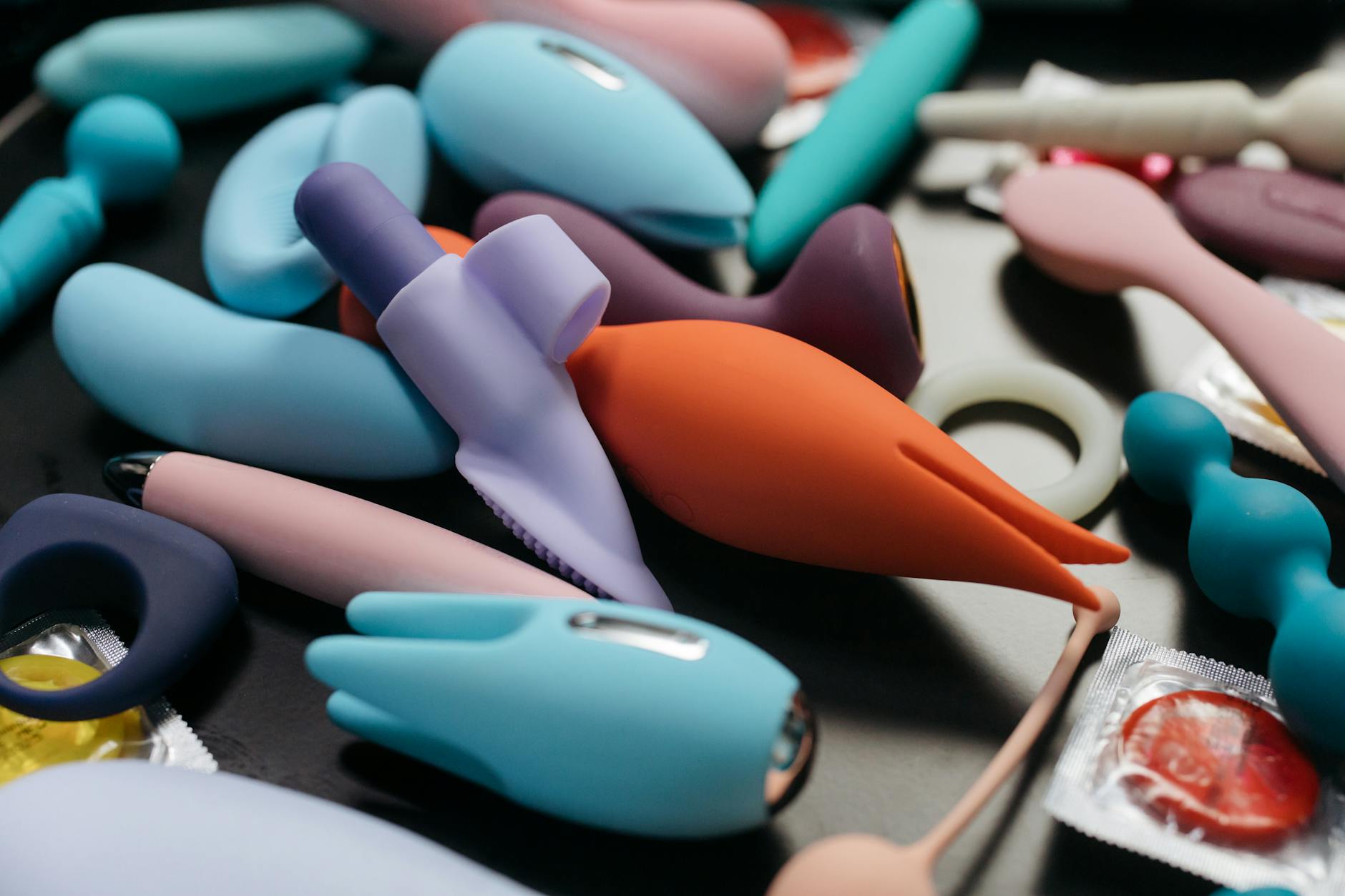
Here's what usually happens
You mention a vibrator. Your partner goes quiet. They say something like, "Isn't what I do enough?" or "Do you not like sex with me?" The conversation dies. You shelve the idea. Six months later, you're thinking about it again, and the shame spiral returns. Sound familiar.
The problem isn't the vibrator. It's that toy resistance and insecurity feel the same to a partner. They're tangled up. And you can't untangle them with logic.
Why partners resist toys (and it's rarely about the toy)
Three underlying fears show up repeatedly in my practice.
First: replacement anxiety. "If I introduce this, she'll want that instead of me." This isn't actually about clitoral vibrators or Lemon toys. It's about mattering. It's about whether their touch still counts.
Second: performance pressure. "If she needs a vibrator, I'm not good enough." Many partners internalize pleasure as their responsibility. A tool that works independently feels like a report card.
Third: loss of control. Some partners like the dynamic where they're driving the experience. A Lemon vibrator means you're making your own pleasure happen. That's a shift in power. Not all partners are ready for that.
Understanding which one you're dealing with changes everything.
The conversation to have before the vibrator arrives
Don't lead with the tool. Lead with the problem.
"I've noticed our sex life has gotten a bit routine, and I think I'm not getting all the stimulation I want. That's not about you. It's about my body. I think I want to explore what would help me feel more pleasure." Then pause. Let them respond.
If they jump to defensiveness ("So I'm not enough?"), you say: "It's not either-or. I love sex with you. This is about me learning my own body better. I want to feel more, and I want to share that with you."
The key phrase: "with you." Not instead of. With.
Reframing toys as exploration, not indictment
Here's the truth: your partner isn't against vibrators. They're against feeling inadequate. So don't position the Lemon vibrator as a fix for something they're failing at. Position it as something you're curious about together.
"I read that clitoral vibrators can actually help people have stronger orgasms. I'm curious if that's true for me. I'd love to try it and see what happens. Would you want to be there?"
That's different from: "I need a vibrator because my orgasms aren't good enough with you."
One invites partnership. The other feels like criticism.
Start with observation, not pressure
Let's say your partner agrees to have the Lemon vibrator present. They don't have to be involved. They just have to not leave.
When you use it, don't perform. Just explore. Let them see what actually happens. Orgasms with a Lemon clitoral vibrator often look different. They might be faster. They might be more intense. They might surprise you both. That lived experience is more powerful than any explanation you could give.
After, keep it casual. "That was interesting." Not "That was amazing and you could never do that." Just factual.
The angle that actually works
Once they've seen the reality, reframe it as partnership enhancement.
"I get more consistent pleasure with this. That means I'm more relaxed. That means better sex for both of us.\