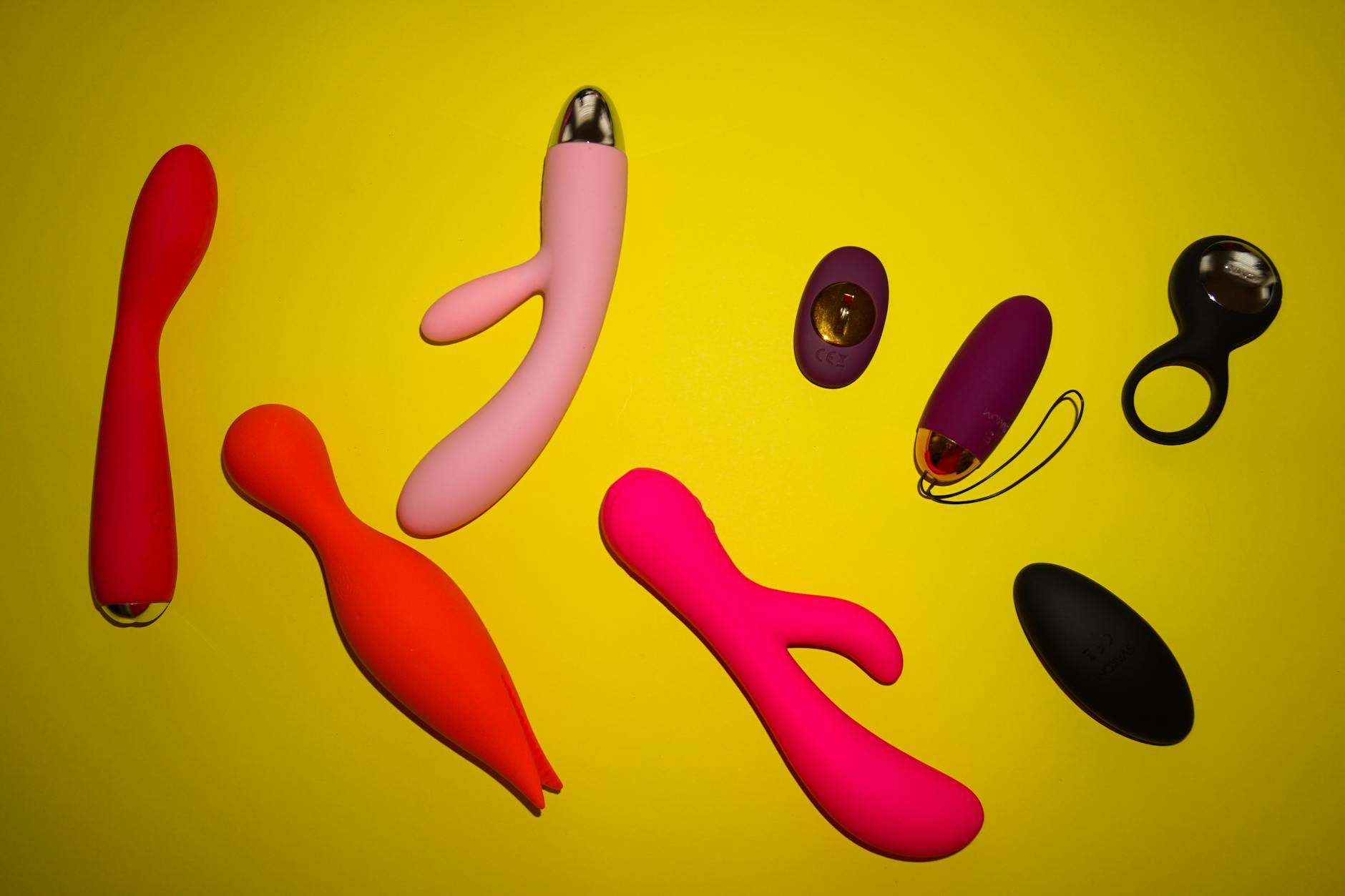
Here's the thing about mismatched sensitivity
One of you wants light, exploratory touch. The other wants something that delivers real intensity. You've probably noticed this already. Maybe one partner reaches for sensations that feel overwhelming to the other, or conversations about "how much" get awkward fast. Between you and me, this is one of the most common pleasure gaps couples face, and almost nobody talks about it.
The good news? A lemon vibrator, specifically a lemon clitoral vibrator like the Lem, actually bridges this gap better than most tools because of how air suction technology works. It's not about forcing compromise. It's about understanding what different bodies need and building a toolkit that honors both of you.
Why sensitivity mismatches happen in the first place
Sensitivity isn't about how attracted someone is to their partner. It's neurological. Nerve density varies. Hormone levels fluctuate. Past experiences with overstimulation or numbness reshape what feels good. One person's ideal might be patterns 1 through 3 on a lemon sexual toy, while their partner gravitates toward 5, 6, or 7 without ever reaching discomfort.
Then there's the psychological layer. Someone with trauma history might need very controlled, predictable stimulation. Another partner might crave variety and intensity because their nervous system is wired that way. Neither is wrong. Both are real.
When you don't name this difference, what often happens is the more sensitive partner pulls back to protect themselves, or the less sensitive partner feels rejected when intensity isn't wanted. That resentment compounds quietly.
Why a lemon clitoral vibrator works differently
Most vibrators are one-speed, one-pattern tools. You get what the device gives you, and if that doesn't match your body's wiring, you either adapt or it doesn't work. A lemon vibrator, by contrast, gives both partners real agency. Here's why.
First, the range. A quality lemon adult toy has 7 to 10 distinct patterns and intensities. The person who loves gentleness stays in patterns 1 to 3. The partner who wants something more pronounced moves into 5 to 8. You're not splitting the difference. You're each finding your actual frequency.
Second, the sensation itself. Air suction doesn't transmit vibration the same way a traditional vibrator does. It creates a gentle seal and rhythmic pulses. For people with sensitive tissue, this means no sharp, sustained friction. For people seeking deeper sensation, the suction itself delivers something traditional vibrators can't. It's not just intensity. It's a different quality of stimulation.
Third, control stays with whoever is using it. Neither partner has to perform comfort. There's no negotiation mid-scene about "is this okay?" because the person in their own body knows exactly what feels right in real time.
The conversation you need to have first
Before introducing a lemon vibrator together, you need to name what you've noticed without shame. This is not criticism. It's data. "I've realized we seem to enjoy different amounts of intensity, and I'd love us both to feel amazing" is the opener.
Then ask your partner directly: "What does your ideal sensation feel like?" Listen for specifics. "Gentle" is too vague. "Light, consistent patterns that don't build too fast" is useful. "Deep, varied intensity that keeps surprising me" is useful.
Also ask: "Have you ever felt overstimulated or underwhelmed with previous partners?" Their answer will tell you whether this is about sensation preference or nervous system protection or both.
This conversation does two things. It depersonalizes the sensitivity gap (it's not "you're too sensitive" or "you're not sensitive enough"). And it gives you actual language for what each body needs, which you'll use when you're choosing patterns together.
How to actually introduce it together
Start with exploring solo, not partnered sex. I know that sounds counterintuitive, but here's why it works. Each partner gets to feel a lemon vibrator solo, find their sweet spot on the intensity dial, and come back to that knowledge.
When you both know your own baseline, partnered exploration becomes collaborative instead of tentative. "I found that pattern 2 feels perfect for me" is different than "I guess I could try whatever you want."
When you do use it together, the less sensitive partner holds the lemon clitoral vibrator first. This removes the power dynamic of "the sensitive person has to accommodate." The person using it sets the pattern and intensity. The receiving partner simply experiences what's being offered. No negotiation.
Then switch. Same toy, same patterns available, completely different experience because of the different nervous system holding the controls.
What often happens here is surprising. The person who thought they needed intensity discovers that pattern 3 with a partner's touch and attention actually delivers more pleasure than pattern 7 solo. Conversely, the sensitive partner might find that when they're the one controlling the rhythm, sensations that felt overwhelming suddenly feel manageable and even pleasurable.
Managing the emotional part
Sensitivity mismatches often carry shame. The sensitive partner sometimes feels broken ("Why can't I enjoy what my partner enjoys?"). The less sensitive partner sometimes feels unseen ("My pleasure doesn't matter as much"). A lemon vibrator solves the mechanical problem but not the emotional one.
So name it: "This isn't about who's right or wrong. We just have different wiring, and that's actually okay." Then actively celebrate the differences. "I love that you know exactly what you need." "I'm excited that I get to learn your body in a new way."
One thing I tell couples in my practice is this. The goal is not identical pleasure. The goal is that both partners feel prioritized. A lemon clitoral vibrator helps because it literally puts the controls in each person's hands.
Troubleshooting common bumps
If one partner still feels uncomfortable at certain intensities, the solution is not to push through. It's to find where the comfort is. A lemon vibrator with 10 patterns means there are 10 places to explore, not just one.
If one partner feels like their needs are being sidelined ("We always use my sensitivity as the baseline"), name it and rotate who chooses the pattern. Intentional turns matter.
If using the toy together feels clinical or tense, step back. Use it solo for a week. Let each partner rediscover pleasure without an audience. Then try partnered again.
The bigger picture
Different sensitivity levels are not a flaw in your partnership. They're information. When you use that information to build a practice that honors both bodies, what changes is not the sensitivity gap itself. What changes is trust. You're saying to your partner, "Your pleasure matters, even when it looks different from mine." That's the foundation everything else builds on.
A lemon vibrator is a tool, but it's a tool that says yes to both of you. No compromise. No performance. Just presence and care and the willingness to learn each other at a deeper level.
People also ask
Can we use a lemon vibrator if we have very different arousal speeds?
Absolutely. In fact, this is one of the most useful applications. The slower-to-arouse partner can use the lemon vibrator solo during foreplay while the faster partner engages in other touch. Then you come together at a more matched place. A lemon clitoral vibrator doesn't rush anyone. It just gives each nervous system what it needs to relax into pleasure.
What if one partner feels insecure about the other needing a toy?
This is worth addressing directly. A toy is not a replacement for a partner. It's an extension of partnered intimacy. The conversation sounds like: "I want to introduce this because I want us both to feel amazing, and this tool helps that happen." Sometimes security grows from education. Share an article. Let them hold the toy. Demystify it. Often insecurity shrinks when mystery does.
How do we know which intensity level is right for each of us?
Start at pattern 1. Spend a full minute there. Notice what you feel. Move to pattern 2. The right pattern is the one where pleasure builds without becoming overwhelming. For sensitive partners, that might be 1 to 3. For others, 5 to 8. There is no "correct" number. The correct number is the one that makes you smile.
Is it normal for sensitivity to change mid-session?
Completely normal. Arousal changes sensitivity. The more relaxed and present someone is, the more intensity they can often enjoy. That's why starting at a lower pattern and allowing it to build matters. Your nervous system will tell you when it's ready for more.
What if we try this and it feels awkward?
Awkwardness usually means you need more communication, not less. Pause. Check in. "What would feel better right now?" Sometimes the answer is trying a different pattern. Sometimes it's taking a break. Sometimes it's talking first and trying again later. There's no shame in that. You're learning each other's bodies in a new way. Learning is inherently a little clumsy at first.
Can using a lemon vibrator together help us feel more connected overall?
Yes, but only if you're doing it consciously. The toy is a vehicle. The connection comes from the attention, communication, and care. If you're using it while scrolling your phone, that's different than using it while truly present with your partner. The tool amplifies whatever intention you bring to it.
The real work starts with curiosity
Sensitivity mismatches stop being a problem when you stop treating them as problems. A lemon vibrator, especially a quality clitoral vibrator, gives you permission to build pleasure that's actually tailored instead of compromised. Your partner's sensitivity is not an inconvenience. It's information about how their nervous system works. Honor it. Build with it. And watch what happens when you both finally get to feel exactly what you actually need.