Let's talk about the thing you're actually worried about
You're thinking about introducing a lemon vibrator to your new relationship and you're stuck on one thought: will they take it the wrong way? Will they think you're not satisfied? Will they feel replaced?
Here's the thing. That conversation feels bigger than it is because you're rehearsing it in your head with all the worst-case outcomes. The reality is quieter, less dramatic, and honestly easier than whatever version you've been imagining.
Why the timing of this conversation actually matters
There's a window. Too early (first few weeks) and toys feel clinical, like you're skipping the discovery phase. Too late (months in, deeply entrenched patterns) and it feels like criticism. The sweet spot is somewhere between establishing trust and locking in habits. Three to six months, usually.
Why? Because by then you've had enough sex to know what works for you and what doesn't. You trust each other enough to be honest. And you haven't yet built the kind of routine that makes suggesting something new feel like a threat.
But here's the real insight. Most people aren't introducing toys because they're unsatisfied. They're introducing them because they want more pleasure and they want to explore it together. That's the angle that matters.
The frame that actually works
Don't lead with the vibrator. Lead with curiosity about them.
"I've been thinking about pleasure lately and what feels good to me. I'd love to explore that together if you're open to it. There's something I've been curious about." That's it. You're not selling them anything. You're inviting them into something.
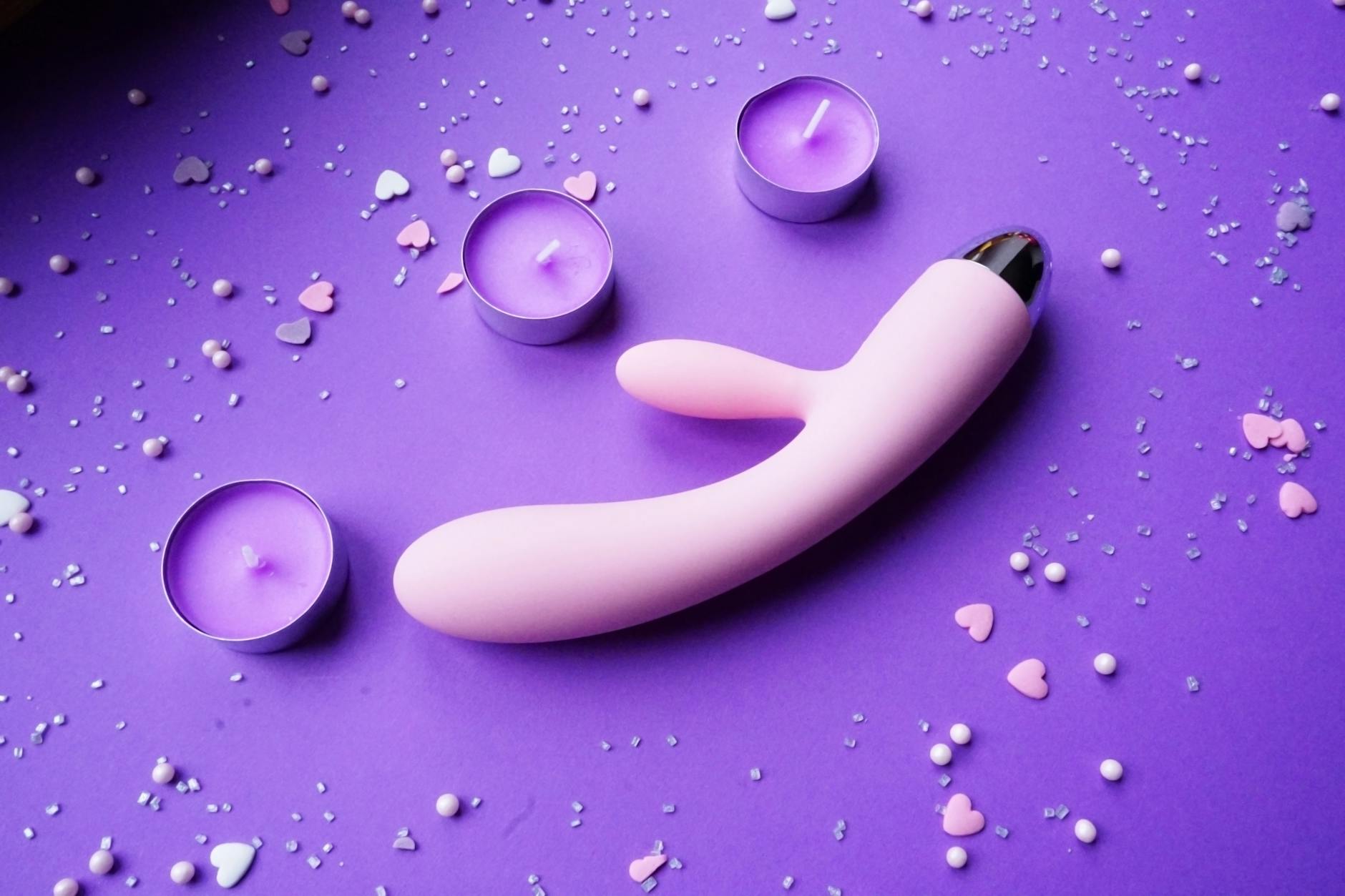
The Lem or another clitoral vibrator isn't a replacement. It's an addition. Frame it that way and the whole conversation shifts. "I want us to try this together" is fundamentally different from "I want to use this instead."
If they're interested (and they probably will be), move to specifics. "I've heard really good things about air suction toys. The sensation is different from anything else, and I think it would feel amazing. Would you be interested in exploring that together?"
What to do if they're hesitant
Some partners push back. It's not malice. It's usually fear wrapped in practical objections. "Isn't that supposed to hurt?" "Will it feel weird?" "Can I still pleasure you?"
Address the actual question, not the worry behind it. If they ask whether it hurts, explain that lemon clitoral vibrators don't work through pressure. They work through suction, which actually feels gentler on sensitive tissue. If they're worried about their role, point out that the best toy experiences are ones you have together. They're not being replaced. They're gaining a collaborator.
If they're genuinely uncomfortable, don't push. But also don't drop it. Comfort builds with time. What feels weird now feels normal in a few months. Sometimes the conversation just needs to sit for a bit.
The actual introduction (no performance required)
When you finally bring it out, make it casual. You're not building a moment. You're just starting to explore. "I want to try this. Will you help me figure out how it works?"
That's an invitation, not a demand. And it asks them to participate without making them feel like they have to do anything specific. They can watch, help guide it, ask questions. The key is letting them opt into the experience at whatever level they're comfortable with.
Start at the lowest intensity setting. The Lem has a gentle ramp-up, which helps. You're not trying to prove anything. You're just feeling how it responds to your body, how the sensation compares to what you know. If your partner's there, let them see it isn't overwhelming. It's just different.
Why this matters for your whole relationship
Here's what couples therapy teaches us. The willingness to ask for what you want and the willingness to listen without defensiveness. Those are foundational skills. Introducing a toy gives you both a safe way to practice them.
When your partner listens to what you're curious about without judgment, that builds intimacy. When you frame it as something you want to explore together, that builds trust. And when you're both focused on mutual pleasure rather than performance, that changes the whole dynamic.
I've worked with countless couples who thought introducing a vibrator would create distance. Instead, it did the opposite. Suddenly they were talking about pleasure more honestly. They were paying attention to each other's bodies differently. They were less performative and more present.

Photo by Anna Shvets on Pexels
What to do if they want to use it on you
Let them. This is the moment where the toy becomes something you're doing together, not something you're doing alone. It changes the whole dynamic. When a partner learns how to use a lemon clitoral vibrator on you, they're learning your body in a new way. They're learning what intensity you like, what patterns work, how you respond.
That information is valuable for both of you. It makes sex better. It makes them feel more confident and more attuned. And it gives you something collaborative to discover together.
The conversation about frequency
One thing that comes up. If you start using the vibrator regularly, does that mean you always want to use it? Not necessarily. Some sessions are toy sessions. Some are just you and your partner. The goal is variety, not replacement.
But that means being clear. "Tonight I want to use the Lem" is fine. "Sometimes I want to use it and sometimes I don't" is also fine. What causes friction is ambiguity. If your partner doesn't know whether to expect it, whether you prefer it, what the rules are, they get anxious.
So say it out loud. Not seriously, not clinical. Just matter of fact. "I love using this. I also love just being with you. I'm excited about both." That's the clarity that matters.
When to worry and when not to
You're worrying too much if you're rehearsing catastrophes in your head. You're not worrying enough if you haven't actually had the conversation yet. The sweet spot is naming what you want, listening to their response, and adjusting from there.
If they're fundamentally opposed to any toys, ever, that's information you need. But most of the time, the resistance softens when you make it less scary and more collaborative. As I tell couples in my practice, the willingness to try something new together matters more than whether you both love it on the first attempt.
How to navigate the awkward moments
There will be weird moments. The vibrator makes a noise. Someone laughs awkwardly. The intensity isn't what you expected. These aren't failures. They're just part of figuring something new out.
The couples I've worked with who integrated toys smoothly weren't the ones who had perfect first experiences. They were the ones who could laugh, adjust, and try again without making it weird. If you spill lube or the rhythm feels off or someone's arm cramps, that's just reality. Name it, fix it, move on.
One more thing
Don't ask permission for your own pleasure. Invite collaboration. There's a difference. Permission feels like you need approval. Collaboration feels like you're building something together. That shift in language, in how you frame the conversation, changes everything.
Your new partner chose to be with you. They want you to feel good. Give them the chance to show up for that.
FAQ
Will my partner feel threatened by a clitoral vibrator?
Most won't. The threat usually only happens if you frame it as "I'm not satisfied with you." Frame it as "I want to explore more pleasure together" and it becomes a collaborative experience. Partners actually feel more connected when they're part of introducing something new, not left out of the decision.
When's the best time to have this conversation?
After you've built some trust but before patterns get too fixed. Three to six months in is typically the sweet spot. You know each other well enough to be honest, but you haven't yet created routines that feel fixed in stone. Early enough to feel like exploration, late enough to feel intentional.
What if they ask why I didn't mention this sooner?
Be honest. "I wanted to wait until I felt like we had enough trust to be vulnerable about what I want." That's true and it frames the whole thing positively. You're not hiding something. You're respecting the pace of the relationship.
How do I bring up that I want to use it together, not alone?
Just say it. "I think this would be fun to explore together. Would you want to try using it on me?" If they're interested, they'll lean in. If they're hesitant, you'll know and you can check in about what's making them uncomfortable. But most partners actually want to be part of it. It makes them feel included, not replaced.
What if they want to use it but I'm not sure I'm ready?
You don't have to do everything on the first attempt. "I want to start with just me using it and getting comfortable with the sensation. Then we can explore together." That's totally fine. You set the pace. Your partner adapts.
Does using a lemon vibrator change how sex feels with a partner?
Not in a bad way. Some people find that they enjoy partnered sex more after learning what intensity and sensation they actually prefer. You're more attuned to your own body, so you can communicate better. And if your partner's involved in the toy experience, they learn too. The education goes both ways.
Ready to open that conversation? Check out our guide to choosing the right clitoral vibrator for more specifics on what you're introducing. And if you need support navigating relationship changes, reach out to chat through any concerns at /contact.